


Designito furniture is developed with a focus on precision manufacturing, structural integrity, and long-term usability. Instead of styling-first decisions, we start with comfort geometry, proportional balance, and material performance.
Our goal is simple: furniture that looks calm and architectural while performing like a daily-use system. This is the logic behind modern Italian-inspired seating and the standard we design toward.
Designito is an independent brand and is not affiliated with or endorsed by any original manufacturers.
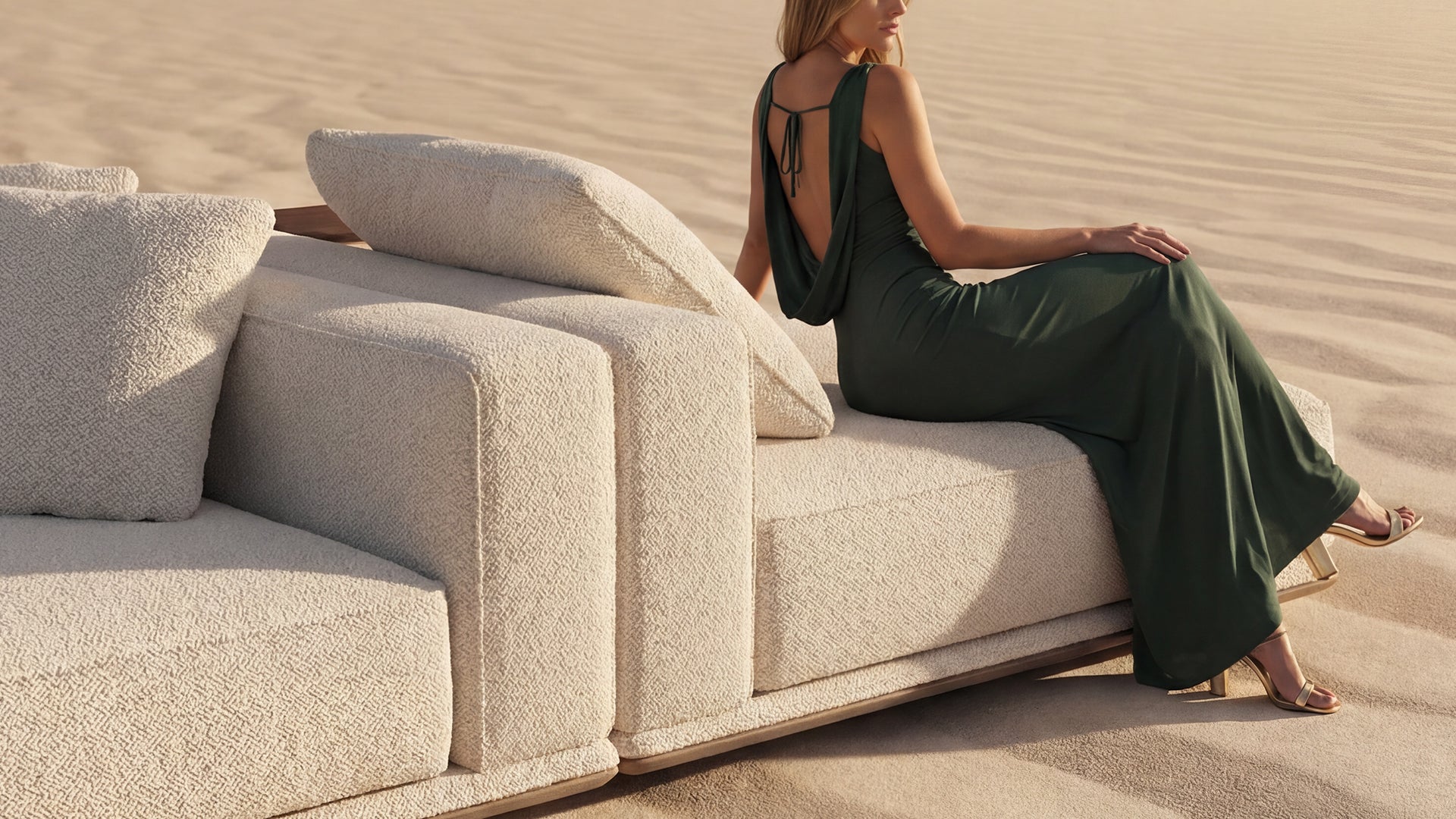
How We Design: A Technical Framework
Every seating system begins with constraints. We define functional targets first, then design aesthetics inside those boundaries. This reduces common failures like poor back support, awkward seat depth, weak suspension, or layouts that look good online but feel wrong in real use.
| Design Variable | What It Controls | Common Failure If Ignored |
|---|---|---|
| Seat depth | Posture, lounging comfort, user fit range | Too deep = slouching; too shallow = cramped knees |
| Seat height | Ease of sitting and standing, long-session comfort | Too low = hard to stand; too high = pressure points |
| Back angle + lumbar zone | Upright support vs relaxed comfort | Back feels “pretty but useless” after 15 minutes |
| Arm height + thickness | Shoulder comfort, visual mass, lounge posture | Arms too high = tension; too thin = uncomfortable |
| Module width + seam layout | Proportion, modular flexibility, visual rhythm | Odd proportions and layouts that never look balanced |
If you want the practical version of this framework, read our buying guide: How to Choose a Sofa or Sectional.
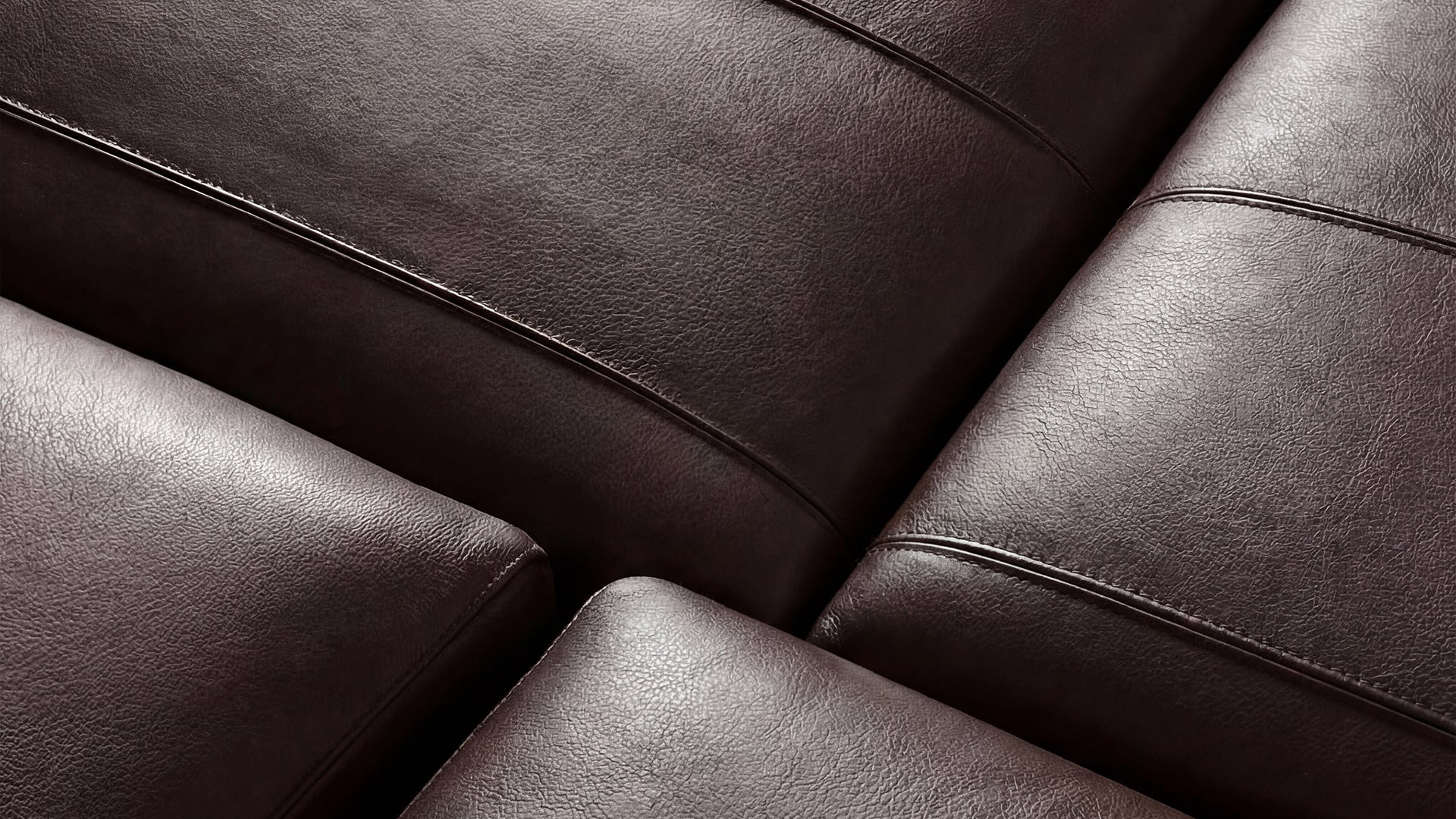
Core Construction Standards
Furniture durability is mostly engineering, not styling. What matters is frame quality, joinery, suspension, foam specification, and how upholstery is tensioned and anchored.
| Component | Standard | Why It Matters |
|---|---|---|
| Frame | Engineered hardwood with reinforced joints | Prevents racking, creaking, and long-term looseness |
| Joinery | Reinforced corner blocks and mechanical fastening where needed | Maintains structural alignment under repeated load cycles |
| Suspension | Elastic webbing or reinforced support grid (model-dependent) | Controls sink, bounce, and pressure distribution |
| Cushioning | High-resilience foam layering | Shape retention, comfort consistency, reduced flattening |
| Upholstery anchoring | Controlled tension and stable attachment points | Prevents wrinkling, shifting, and premature wear |
For a deeper breakdown, see: Materials & Specifications.
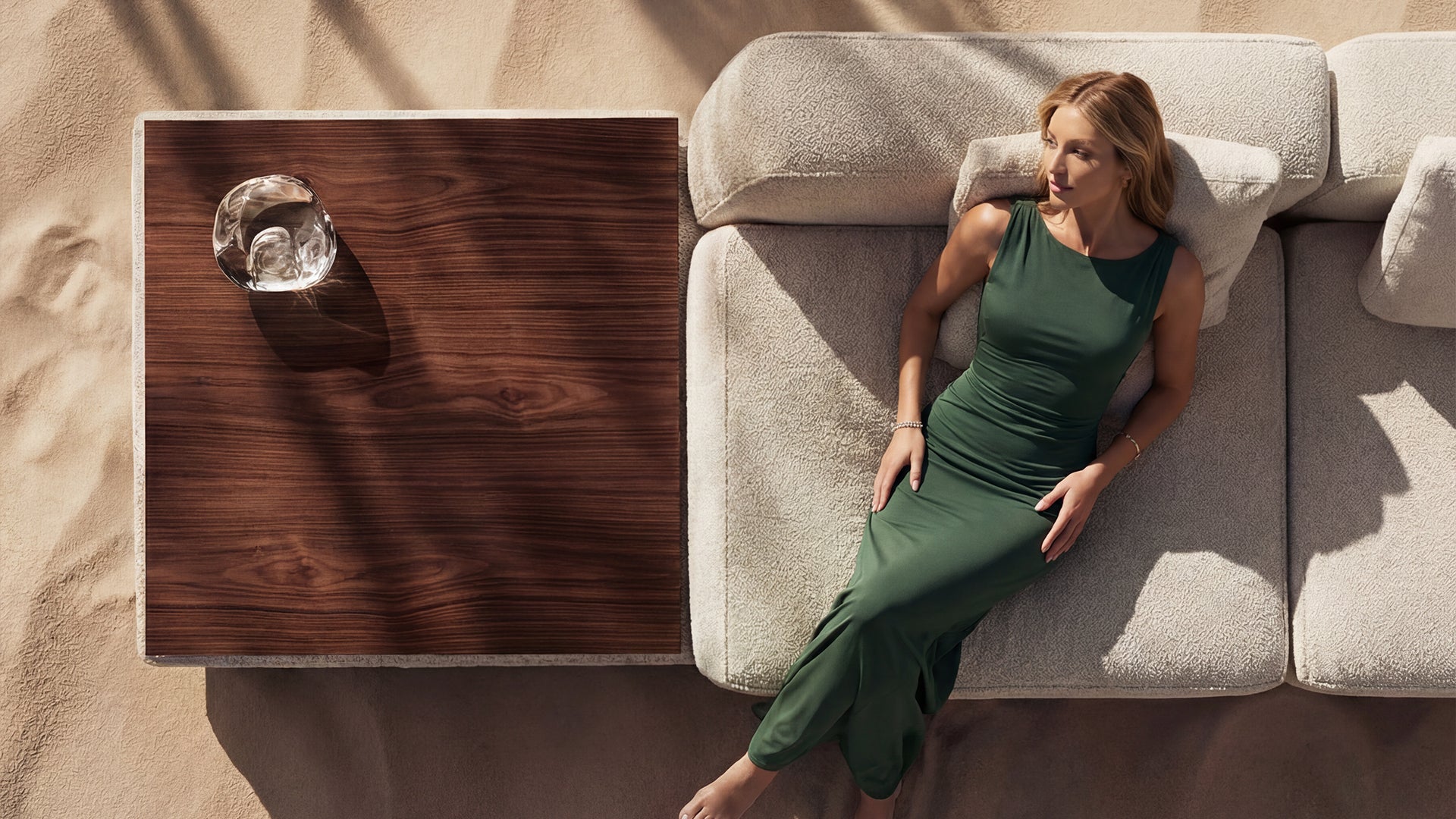
Comfort Engineering: Seat Geometry Specs
Comfort is geometry. A sofa can look luxurious and still fail if depth, height, and back support are mismatched to real bodies. Below is a practical technical baseline for everyday seating.
| Spec | Everyday Range | Best For |
|---|---|---|
| Seat depth | 22 to 24 inches | Most users, daily comfort, balanced posture |
| Seat depth (lounge) | 25 to 27 inches | Deep lounging, media rooms, relaxed posture |
| Seat height | 16 to 18 inches | Ease of standing, long sitting sessions |
| Back support approach | Layered support zones (model-dependent) | Prevents slouching and fatigue over time |
If you are shopping, our modular seating collection is here: Sofas & Sectionals.
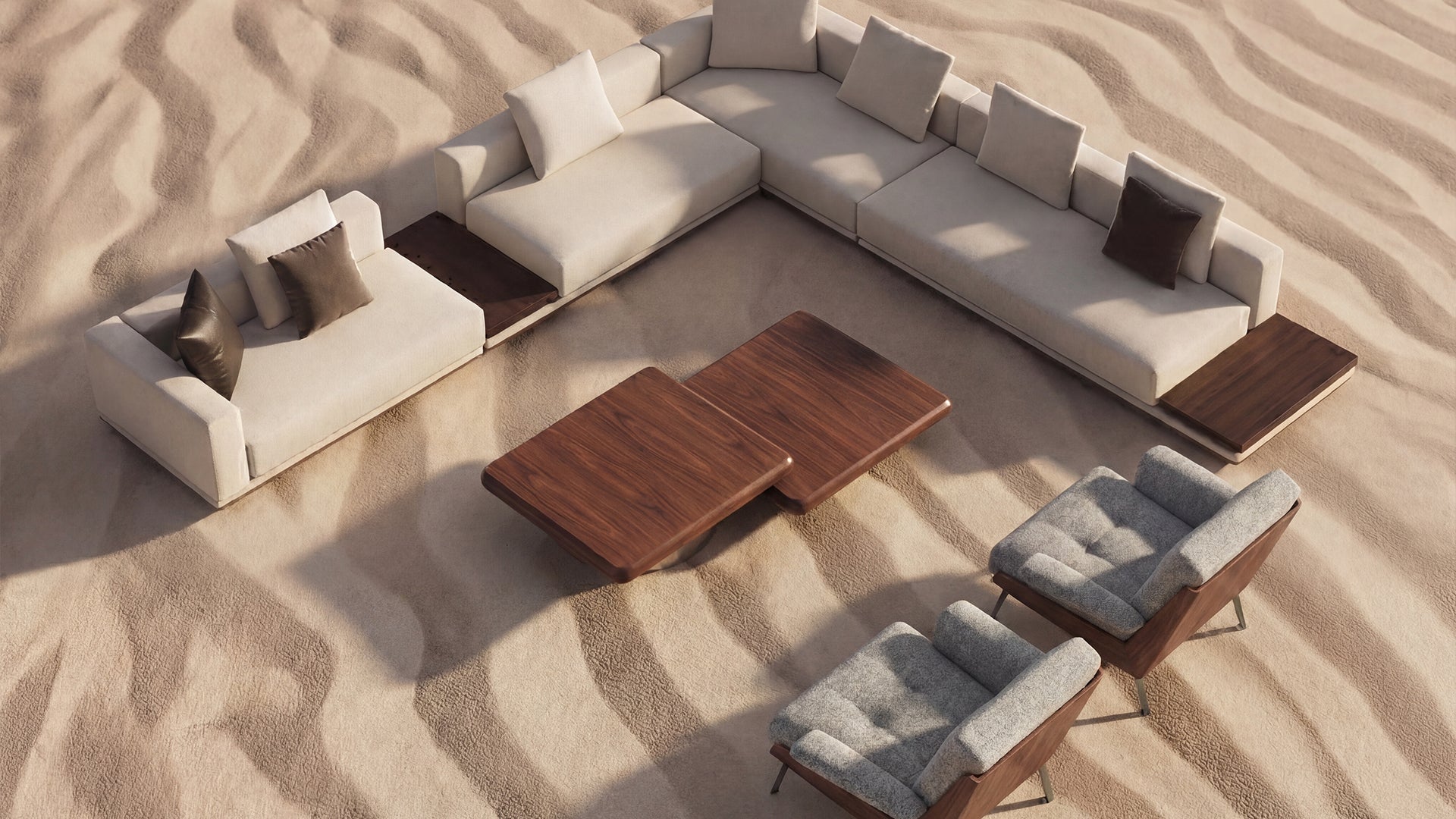
Modular Construction: Why It Wins Long Term
Modularity is not a gimmick. It is a structural strategy that improves transport, replacement, layout flexibility, and long-term ownership economics. A modular system also makes it easier to maintain consistent proportions across different room sizes.
| Modular Advantage | What It Means in Real Life | Who It’s Best For |
|---|---|---|
| Reconfiguration | Change layout without replacing the whole sofa | Moving homes, growing families, flexible spaces |
| Partial replacement | Replace one module instead of the whole system | Long-term owners, heavy daily use |
| Transport efficiency | Modules fit through tighter hallways and stairs | Apartments, urban homes, narrow entries |
| Defined seating zones | Create corners, chaises, and extensions cleanly | Open-plan living rooms |
Learn more about Italian Sofa Design Guide.
Quality Control: What We Check
Quality control is where “nice photos” becomes “real product.” We focus on repeatable checks tied to failure points we see in the market.
Quality control is where “nice photos” becomes “real product.” We focus on repeatable checks tied to failure points we see in the market.
- Frame alignment and load-bearing stability
- Suspension uniformity and seating consistency
- Stitching straightness and seam durability
- Upholstery tension and wrinkle control
- Module connection stability (for modular systems)
For what to expect after ordering, see: Shipping & Delivery.

Care, Maintenance, and Longevity
Daily-use furniture should be easy to live with. Upholstery choice affects maintenance more than most buyers expect. Performance fabrics are often the most practical option for real households.
Recommended next reads:
Final Note
A well-designed sofa should disappear into daily life. It should support posture, comfort, and the way you actually live. That is the purpose of a modern seating system, and what Designito builds toward.