


This guide outlines recommended care and maintenance practices for Designito seating and upholstered furniture. Proper care helps preserve material performance, comfort, and appearance over time.
Guidelines are based on typical material behavior, construction methods, and long-term usage patterns. Individual care requirements may vary depending on upholstery selection and environmental conditions.
For information on how materials are constructed and tested, refer to our Materials & Specifications and Quality Control & Testing documentation.

1. General Care Principles
Designito furniture is designed for regular residential use. Routine maintenance focuses on prevention rather than corrective restoration.
- Avoid prolonged direct sunlight exposure
- Maintain indoor humidity between 40–60%
- Avoid placing furniture near heat sources
- Rotate cushions periodically to distribute wear
- Clean spills immediately to prevent absorption
These practices support dimensional stability, upholstery integrity, and comfort retention. Production methods influencing these recommendations are detailed in our Manufacturing & Craftsmanship overview.
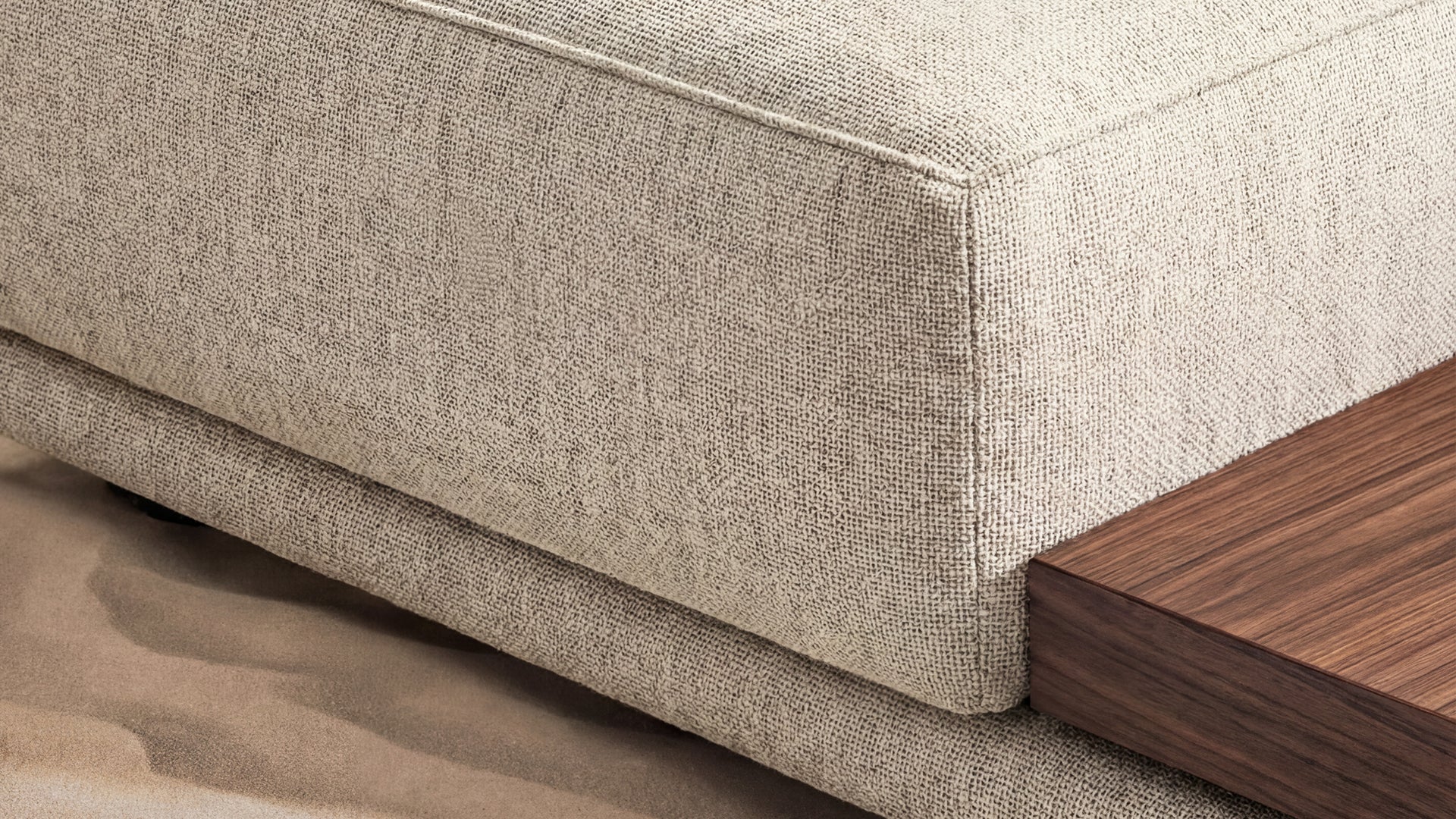
2. Fabric Upholstery Care
Fabric upholstery performance varies by weave density, fiber composition, and surface treatment.
Routine Maintenance
- Vacuum weekly using a soft brush attachment
- Avoid aggressive brushing or friction
- Remove loose debris to reduce fiber abrasion
Spot Cleaning
- Blot spills on sofas, beds, or daybeds immediately using a clean, absorbent cloth
- Use mild, water-based cleaners when appropriate
- Test cleaning solutions on an inconspicuous area first
Avoid oversaturating fabric surfaces. Excess moisture may affect internal padding layers and suspension systems.
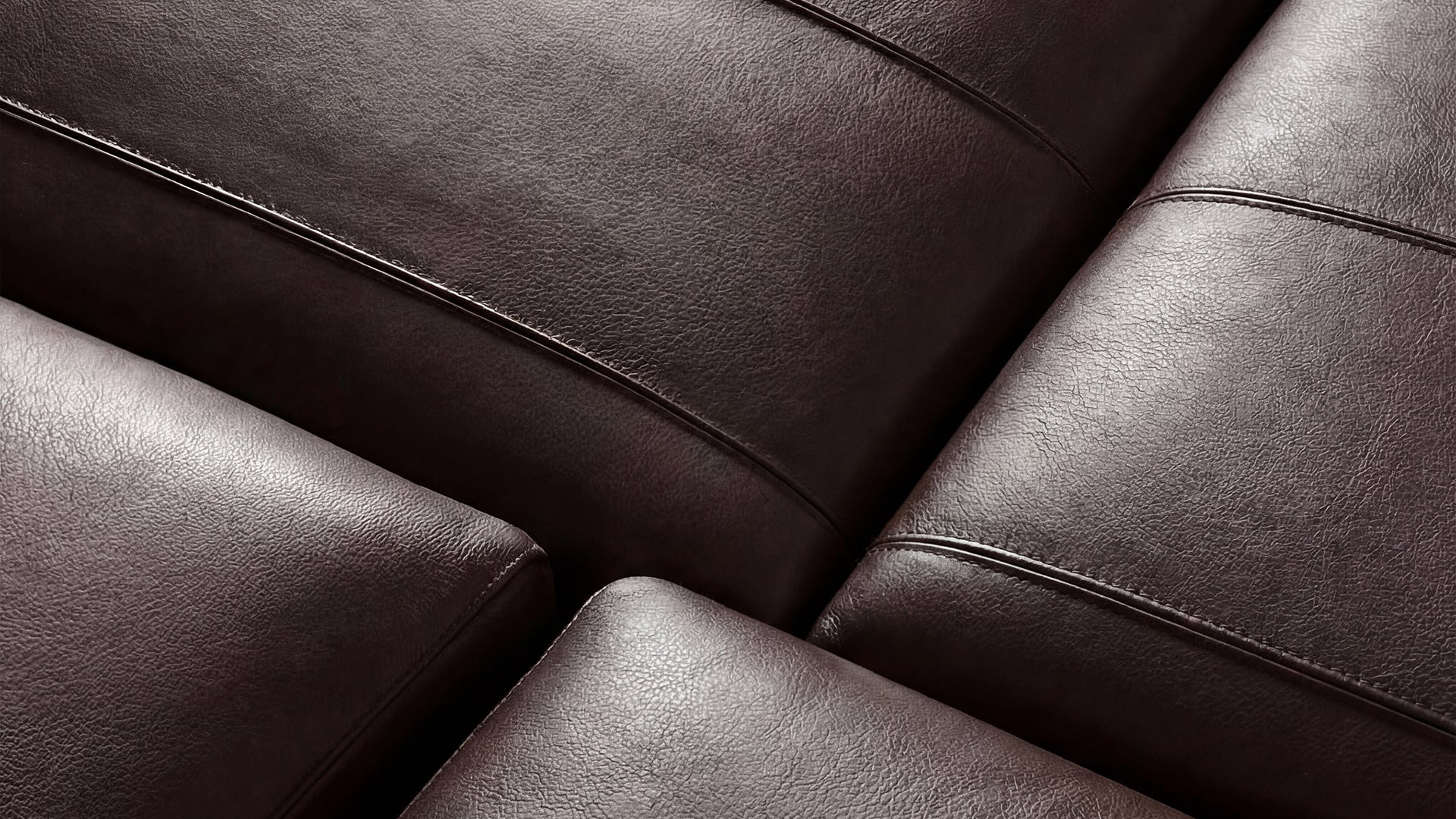
3. Leather Upholstery Care
Leather is a natural material that evolves over time. Variations in texture, grain, and tone are inherent characteristics rather than defects.
Routine Maintenance
- Dust lightly with a dry or slightly damp cloth
- Use leather-specific conditioners sparingly
- Avoid alcohol-based or solvent cleaners
Environmental Considerations
- Minimize direct sunlight exposure to reduce fading
- Maintain consistent indoor humidity
- Avoid proximity to radiators or HVAC outlets
Natural patina development is expected and does not affect structural integrity or performance.
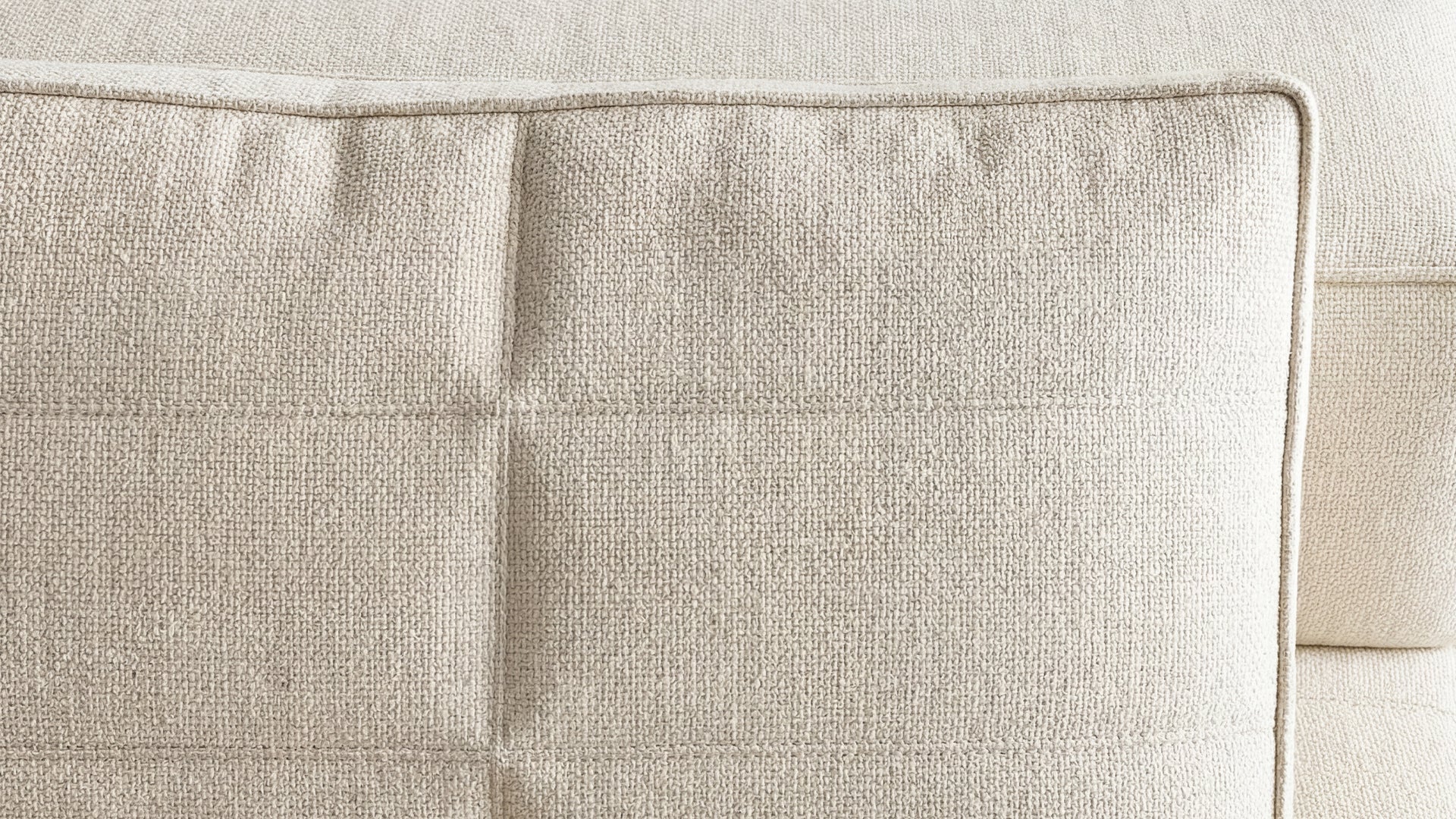
4. Cushion Maintenance & Behavior
Cushion performance in our sofas and chairs depends on material composition and usage patterns.
- Fluff down-filled cushions regularly to maintain loft
- Rotate reversible cushions to distribute compression
- Avoid standing or kneeling on cushions
High-resilience foam layers are designed to recover gradually. Temporary softening during initial use is normal and stabilizes over time.
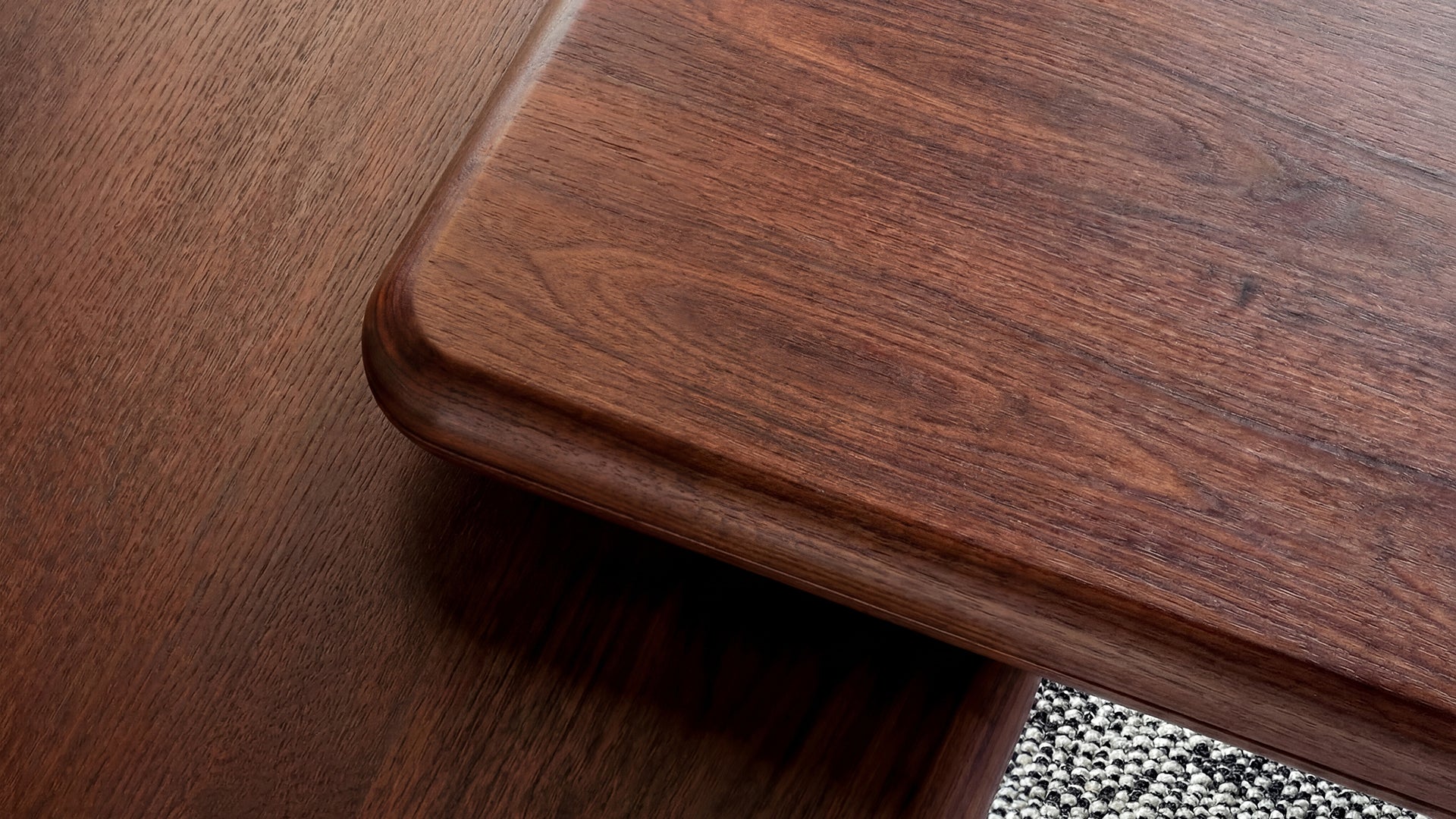
5. Frame & Structural Care
Structural components require minimal maintenance under normal conditions.
- Lift furniture when repositioning
- Avoid dragging modules across hard surfaces
- Verify modular connections periodically
Structural performance expectations are defined in our Materials & Specifications reference.

6. Professional Cleaning & What to Avoid
Professional upholstery cleaning may be used when performed by experienced providers.
- Avoid steam cleaning unless explicitly approved
- Do not use bleach or industrial solvents
- Avoid unapproved third-party surface treatments
- Do not pressure wash or oversaturate materials
Improper cleaning methods may compromise material performance and warranty eligibility. Warranty terms are outlined in our Warranty & Quality Standards documentation.

Relationship to Ownership & Longevity
Proper care supports long-term comfort and aligns with inspection standards described in our Quality Control & Testing process.
For configuration and material selection advice prior to purchase, refer to our Buying Guides.
FAQs
How often should cushions be fluffed or rotated?
Down-filled cushions benefit from regular fluffing. Reversible cushions should be rotated periodically to distribute wear evenly.
Is fabric pilling considered a defect?
Minor pilling may occur depending on fabric type and usage. This is a normal characteristic and does not affect performance.
Will leather change over time?
Yes. Natural leather develops patina with use. Color variation and softening are expected and do not indicate deterioration.
Can professional cleaning services be used?
Professional cleaning may be used if the provider is experienced with upholstery materials and approved methods.
Does improper care affect warranty coverage?
Damage resulting from improper care, unapproved cleaning methods, or environmental exposure may not be covered under warranty.