

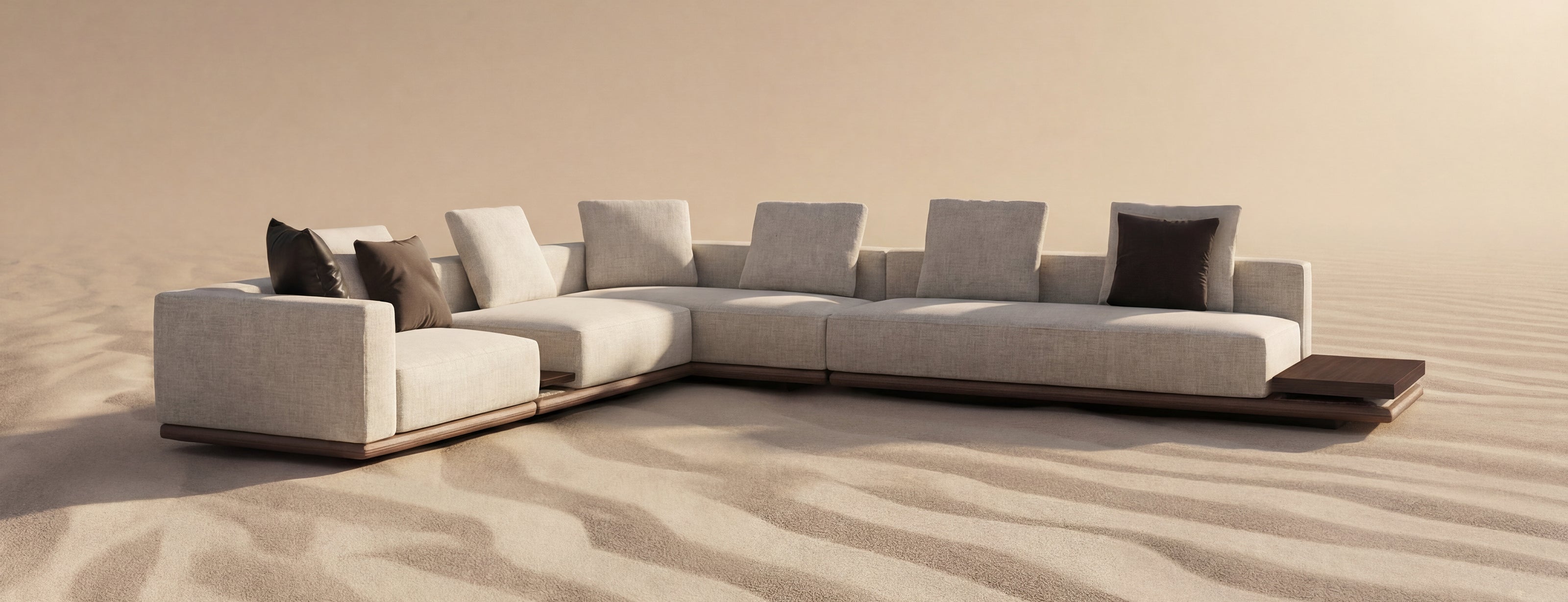
Investing in your home is an architectural endeavor. In the world of high-end interior design, Italia replica furniture represents the intersection of iconic 20th-century aesthetics and 21st-century manufacturing transparency. However, as the market for "modern classics" grows, so does the disparity in quality.
Choosing furniture is a long-term decision. Beyond appearance, well-made furniture should support daily use, age predictably, and remain structurally reliable over time.
This guide outlines how to evaluate modern furniture across sofas, daybeds, lounges, and beds categories using objective criteria rather than marketing language.
Step 1: Define How the Furniture Will Be Used
Before evaluating design or materials, clarify how the furniture will be used.
- Daily use vs occasional use
- Number of users
- Residential vs light commercial environment
- Static placement vs frequent reconfiguration
Usage context determines appropriate construction methods, cushion systems, and material selections.
Step 2: Evaluate Structure and Frame Construction
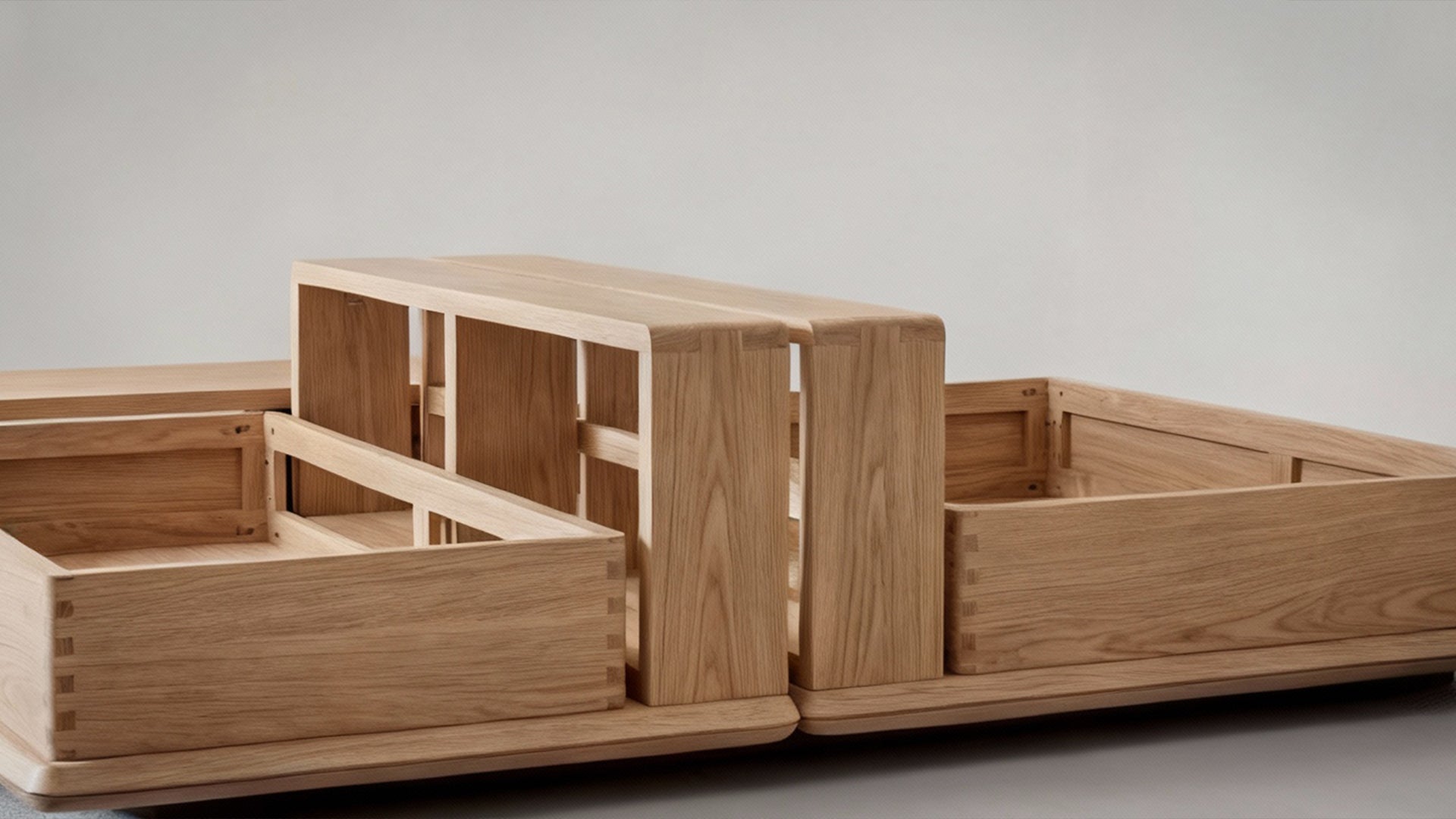
The frame is the foundation of any piece of furniture. Visual design is secondary to structural integrity.
Key factors to evaluate:
- Use of kiln-dried hardwood or engineered structural materials
- Reinforced joints and load-bearing zones
- Frame alignment and dimensional consistency
Designito publishes more detail on the Manufacturing & Craftsmanship page.
Step 3: Understand Cushion and Comfort Engineering
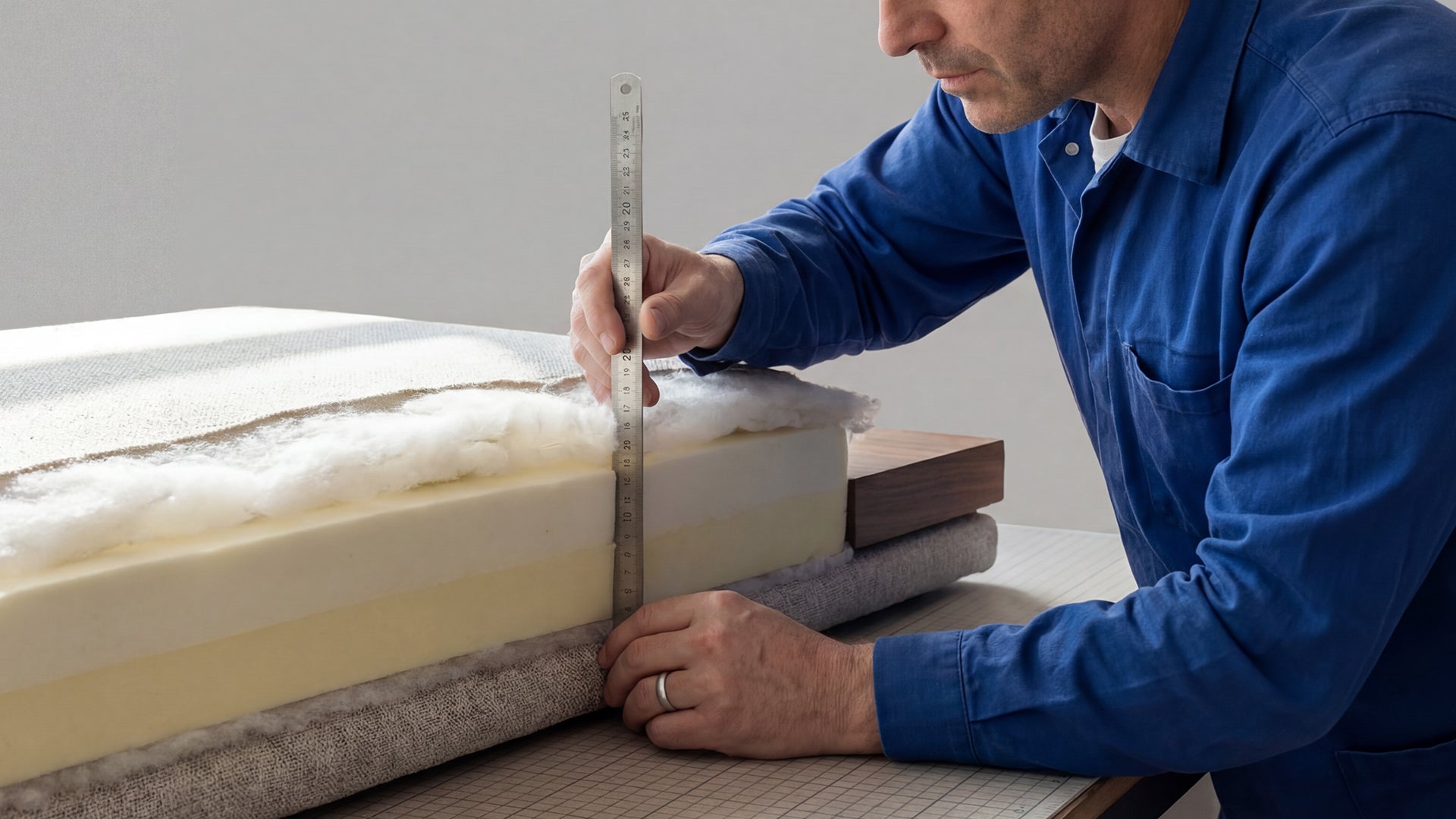
Comfort is not determined by softness alone. Well-engineered seating balances support, resilience, and recovery over time.
| Component | What to Look For |
|---|---|
| Seat Cushions | Multi-density foam or foam with down blends for support and recovery |
| Back Cushions | Softer fills balanced with internal support |
| Suspension | Elastic webbing or engineered support systems |
Cushion density, ILD response, and suspension systems are detailed on Materials & Specifications.
Step 4: Review Upholstery Materials and Performance
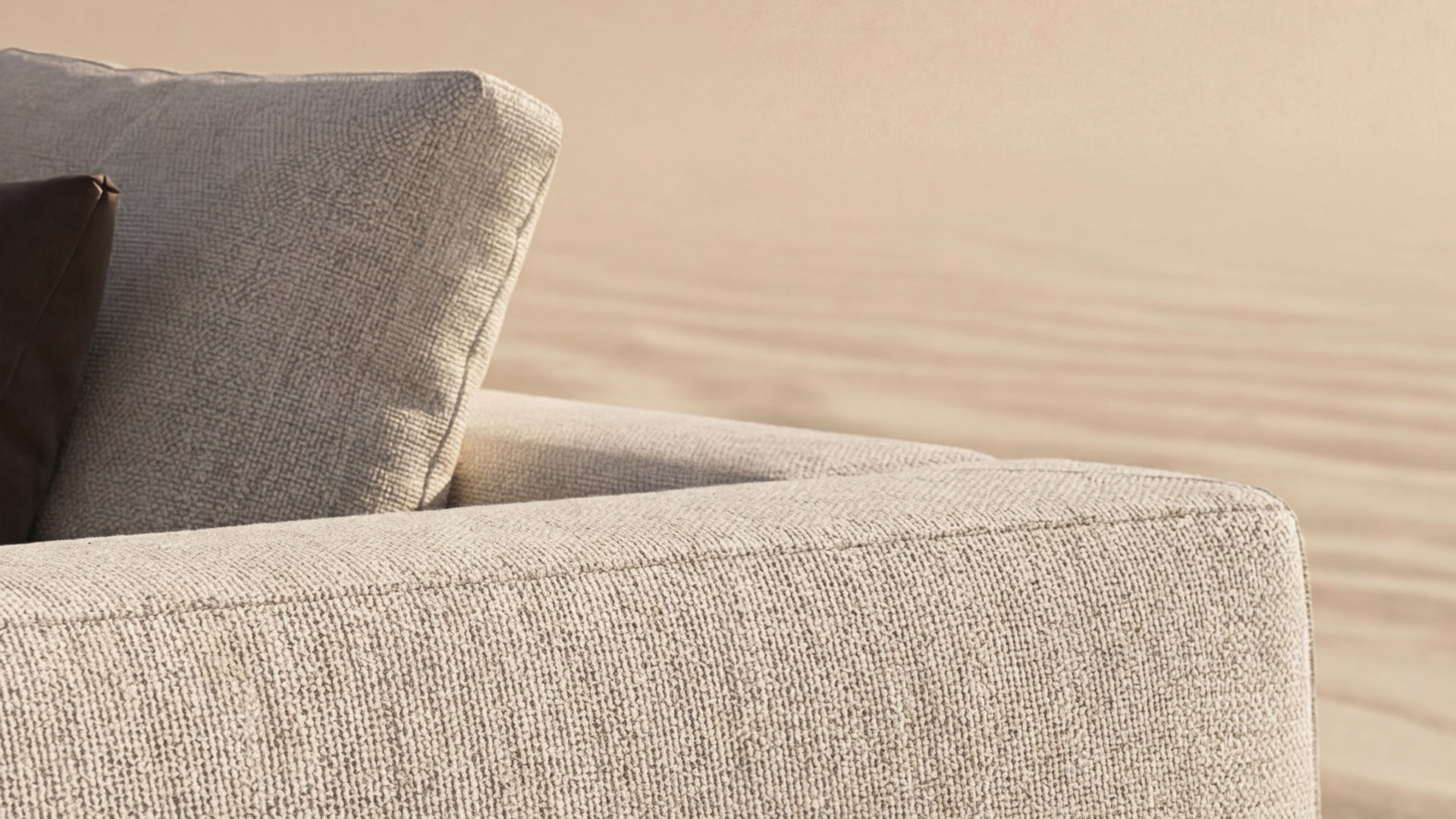
Upholstery affects durability, maintenance, and long-term appearance.
When evaluating fabrics and leathers, consider:
- Abrasion resistance (Martindale or Wyzenbeek ratings)
- Pilling resistance
- Color fastness to light
- Cleaning and maintenance requirements
Step 5: Assess Quality Control and Tolerances
Furniture manufacturing involves multiple stages. Quality depends on inspection, not promises.
Look for brands that:
- Inspect materials before production
- Verify frame alignment and joinery
- Check cushion construction and upholstery execution
- Conduct final inspection before shipment
Designito publishes its inspection process and tolerances on Quality Control & Testing.

Step 6: Understand Lead Times and Delivery
Long lead times are common in furniture, but they should be clearly communicated.
When evaluating lead times, confirm:
- Production time vs transit time
- Door-to-door vs port-to-port delivery
- Packaging and handling standards
Designito publishes realistic timelines on Shipping, Delivery & Lead Times.
Step 7: Plan for Ownership and Maintenance
Furniture changes over time. Understanding care requirements helps preserve comfort and appearance.
Key considerations:
- Expected cushion softening
- Natural material variation and patina
- Cleaning and maintenance routines
Ownership guidance is documented on Care & Maintenance.
How Designito Approaches Furniture Design
Designito applies consistent standards across all collections, including seating, beds, dining, and office furniture.
Our approach prioritizes:
- Design discipline over decoration
- Published materials and construction methods
- Multi-stage quality control
- Clear production and delivery expectations
To understand how this differs structurally from traditional furniture brands, see Our Difference.
Understanding The Internal Architecture
The most expensive mistake a furniture buyer makes is judging a piece by its upholstery alone. At Designito, we believe the "Difference" is invisible.
Hardwood vs. Softwood vs. Engineered Wood
- Kiln-Dried Hardwood (The Gold Standard): We use Ash, Oak, or Maple. Kiln-drying is a thermal process that reduces moisture to 6-8%. This prevents the frame from warping, squeaking, or cracking over a lifetime.
- The Problem with Plywood: Many budget Italia replicas use "Green Plywood" or MDF. These materials absorb moisture, leading to "joint-failure" within 24 months.
- Reinforcement Techniques: Look for "Corner-Blocked" frames. This means a solid block of wood is screwed into the corners to prevent the frame from racking (tilting) when someone sits down heavily.
Suspension Systems: The Silent Support
How does a sofa stay bouncy for 15 years?
- Sinuous Springs: High-carbon steel wires that zig-zag across the frame. They offer a firm, traditional sit.
- Italian Pirelli Webbing: A high-tensile elastic webbing. This is the authentic way many Italian icons were built, providing a "suspended" feel that moves with your body.
- Pocket Coils: Some premium replicas now include individual springs wrapped in fabric inside the foam for a hybrid "mattress-like" feel.
What Makes a Sofa Comfortable? (Foam & Padding Explained)
Many people ask: “Why is my replica sofa getting lumpy?”
In most cases, the problem comes down to foam density.
Understanding Density vs. Firmness
A common myth is that a firm sofa equals high quality. That’s not always true.
- Density refers to the weight and durability of the foam.
- Firmness refers to how soft or hard the sofa feels when you sit on it.
They are two different things.
High-Resiliency (HR) Foam
High-Resiliency (HR) foam is the standard for premium Italian-style replica sofas, including the ones that Designito manufacture.
What makes it better?
- It has a strong internal structure.
- It bounces back quickly after you sit on it.
- It keeps its shape over time.
Quality sofas typically use foam with a density between 2.8 lb and 3.5 lb. Higher density generally means better durability and less sagging. Designito uses exactly 2.8 lb to 3.5 lb density foam.
Compression (ILD): How Soft Does It Feel?
Compression, also called ILD (Indentation Load Deflection), measures how soft or firm the foam feels.
Our sofa uses something called progressive layering, which means:
- A firmer base layer (around 35 ILD) for support
- A softer top layer (around 15 ILD) for comfort
This combination gives you support underneath and softness on top, so the sofa feels comfortable without losing its shape.
The Leather & Fabric Guide
If you’re searching for “Italia replica furniture,” you’re probably looking for that soft, buttery Italian leather feel.
Here’s how different materials compare.
The Hierarchy of Leather
- Full-Aniline: Only the top 5% of hides qualify. There is no pigment painted on top. It is dyed in a vat. It breathes, it's warm to the touch, and it develops a "Patina" - a darkening and softening that tells the story of your home.
- Semi-Aniline: A light protective layer is added. This is the "Parent’s Choice." It feels like luxury but can survive a spilled glass of wine.
- Top-Grain: The hide is sanded to remove imperfections and "stamped" with a grain pattern. Durable, but lacks the "soul" of aniline.
- Vegan "Leathers": High-grade Polyurethane (PU) that mimics the breathability of real hide for eco-conscious clients.
Designito mostly uses full-grain and aniline leather for our products, because the tight grain pattern at the very top of the hide is left untouched, it is the strongest leather available. It does not tear or puncture easily.
High-end Textiles
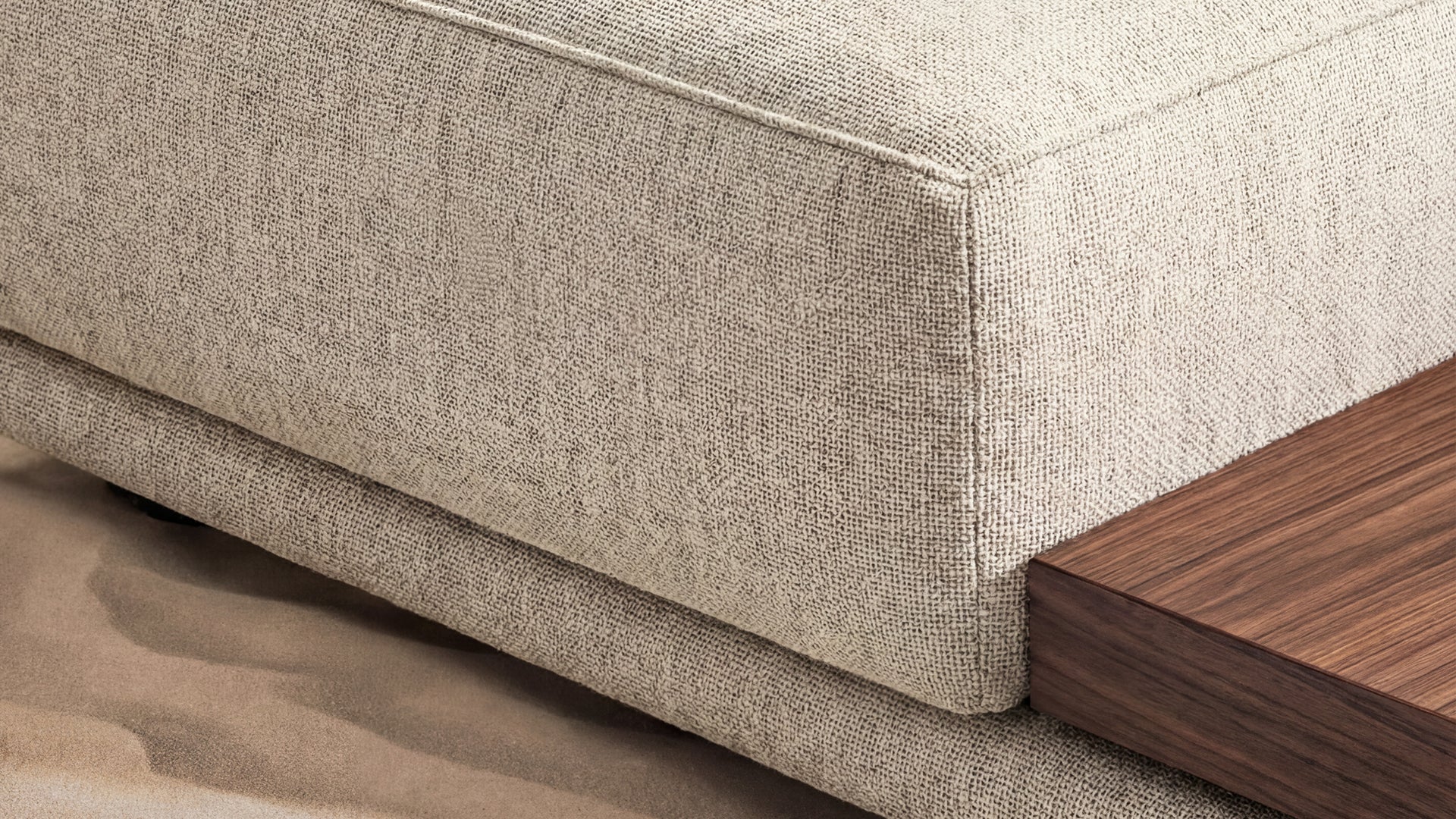
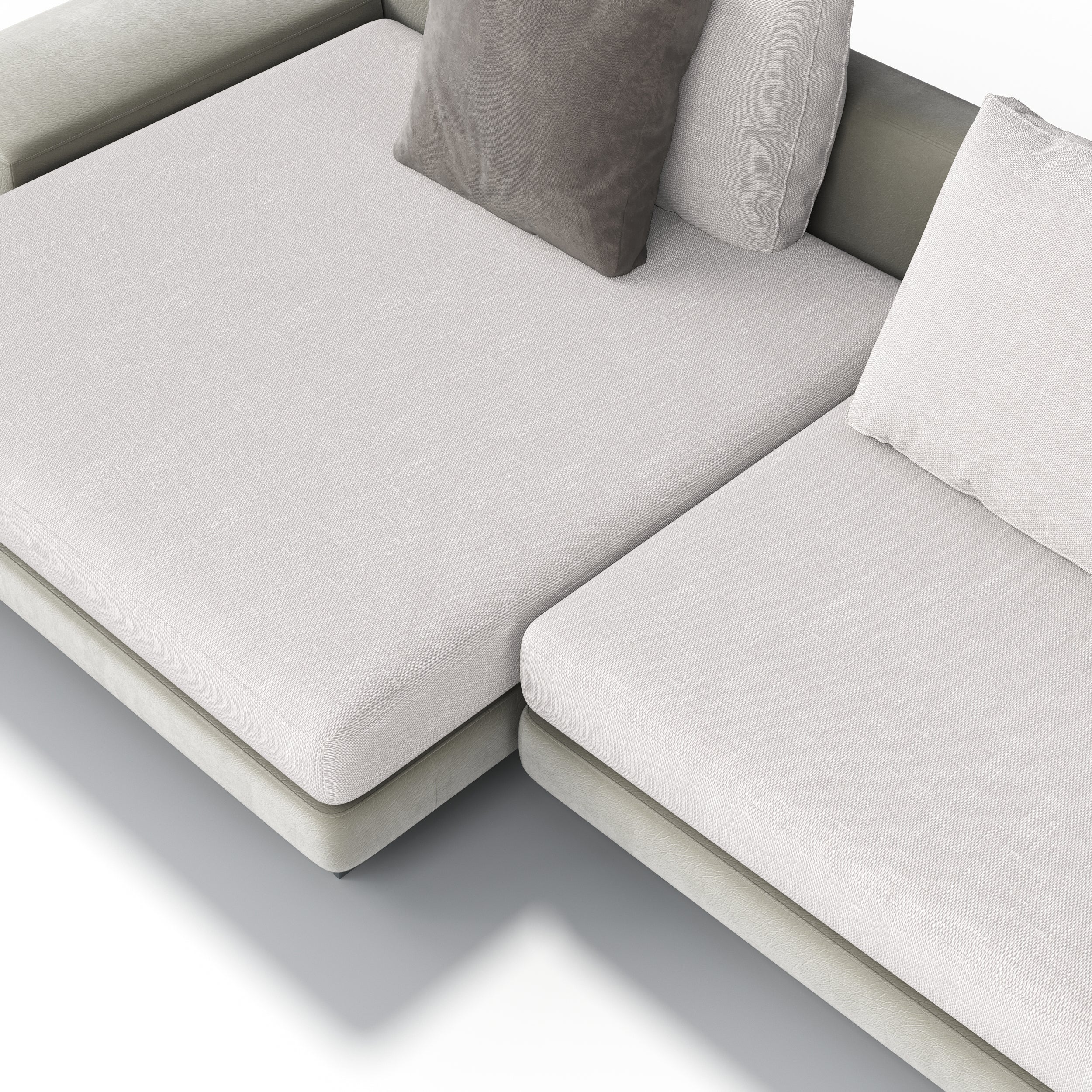
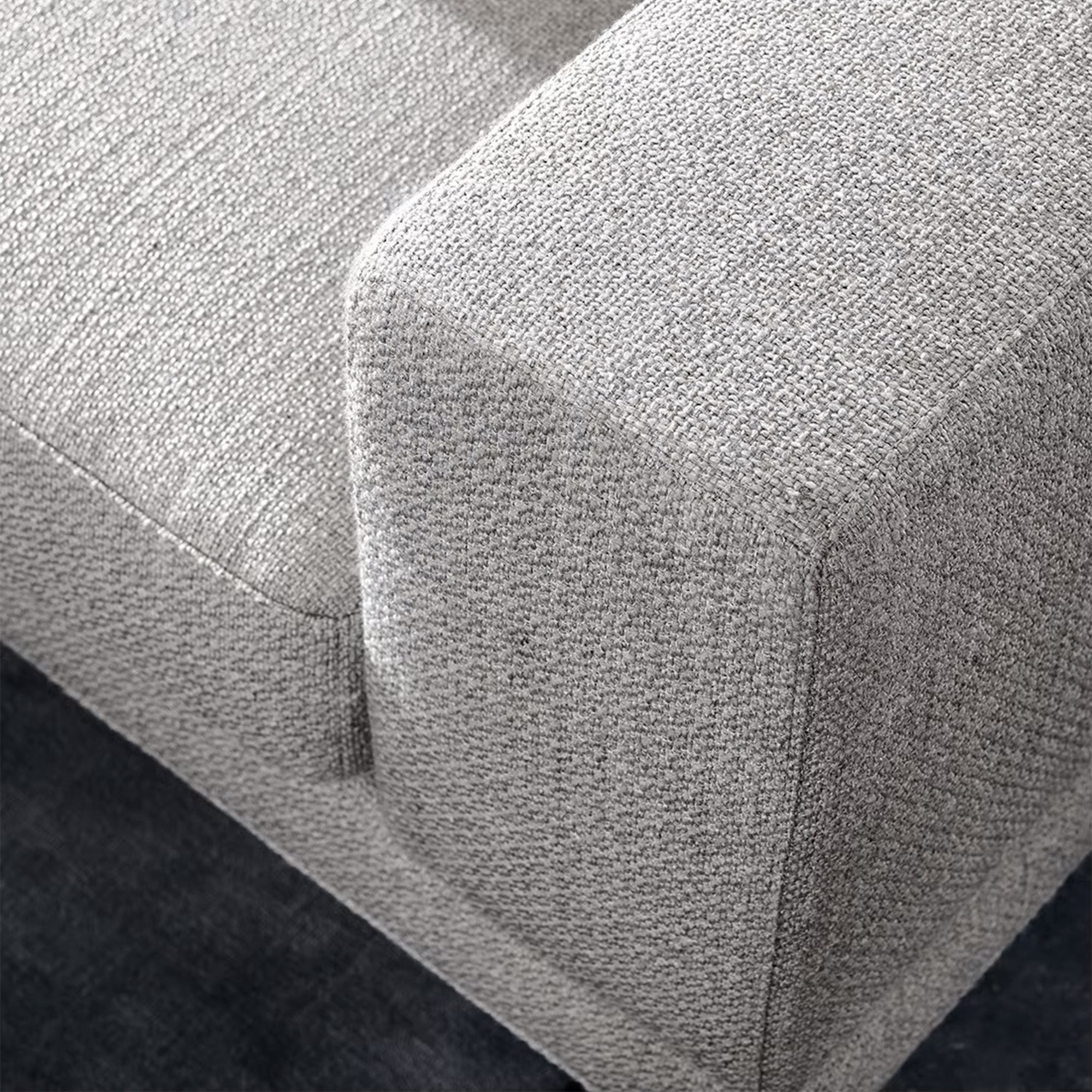
The most commonly used in luxury Italian sofas and chairs include natural fiber blends like wool-cotton or wool-viscose, which give a soft, matte finish and age gracefully over time.
Bouclé is popular for its sculptural texture, especially on curved or “cloud-style” sofas, while velvet adds plush, refined depth to statement pieces without looking shiny or synthetic. High-end designs also use performance fabrics engineered to resist stains and maintain a soft, natural appearance, with high durability ratings.
At Designito, we follow this same standard. Every fabric we use mirrors the materials found in premium Italian furniture; soft, textured, long-lasting, and carefully chosen for both comfort and style.
Ready to see the difference?
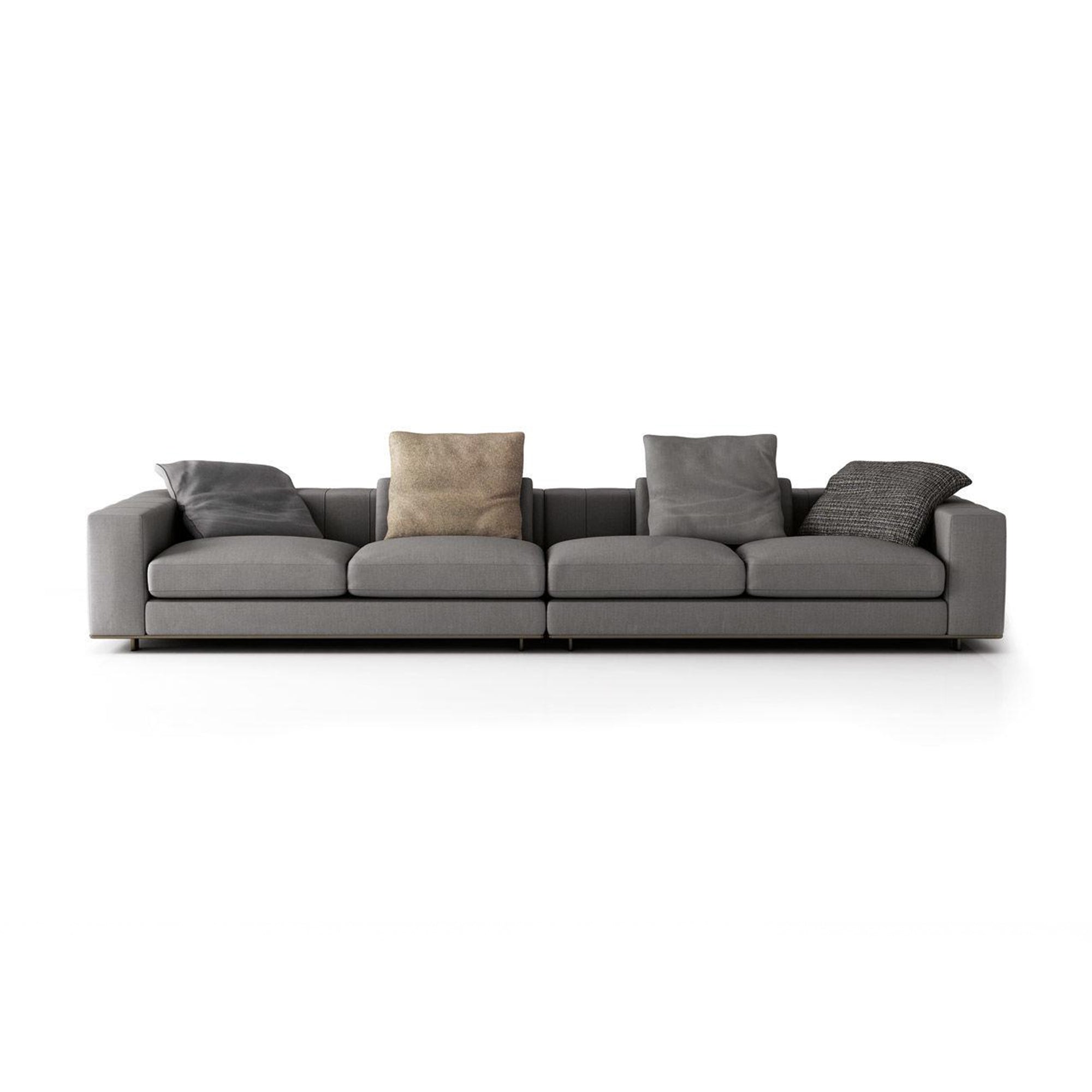
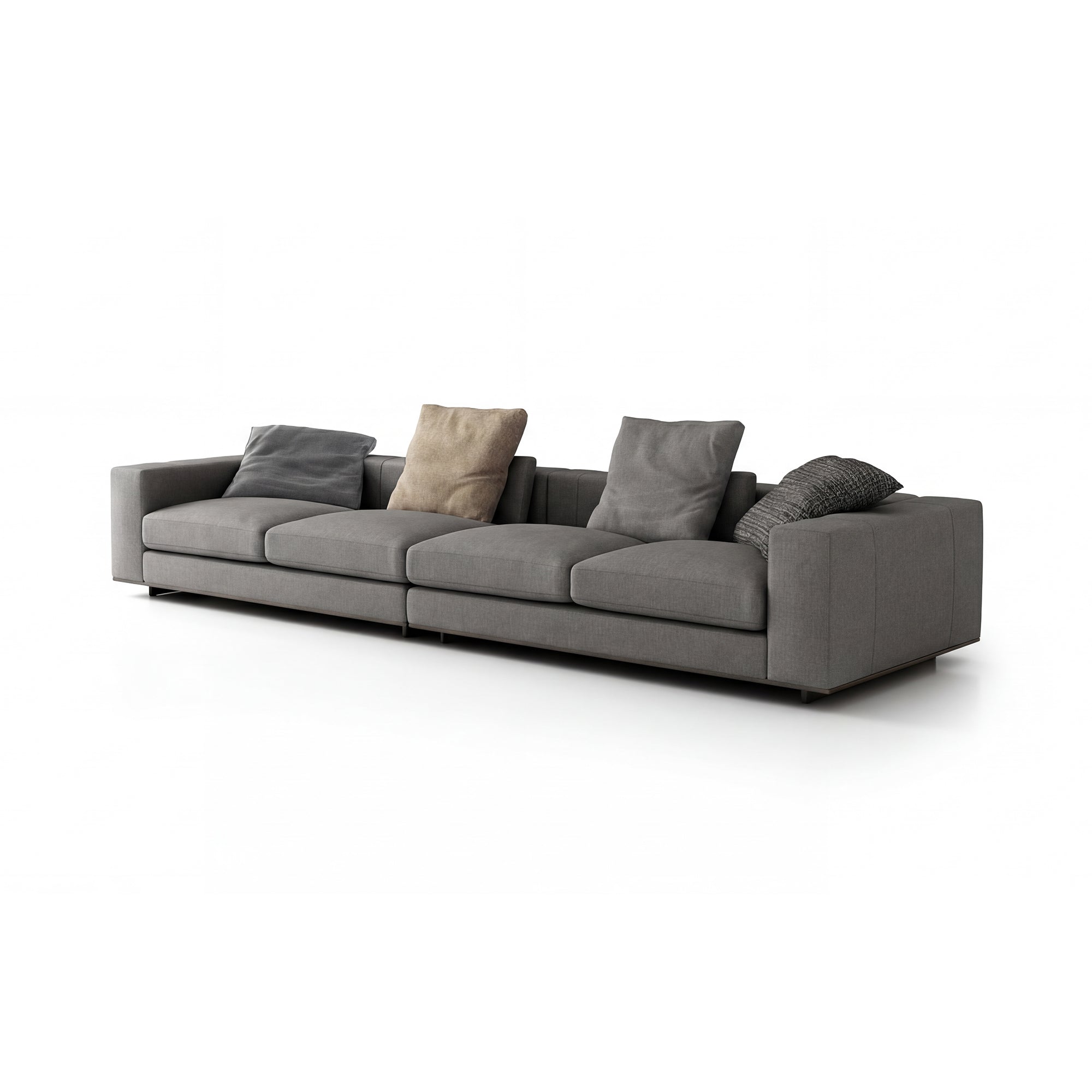
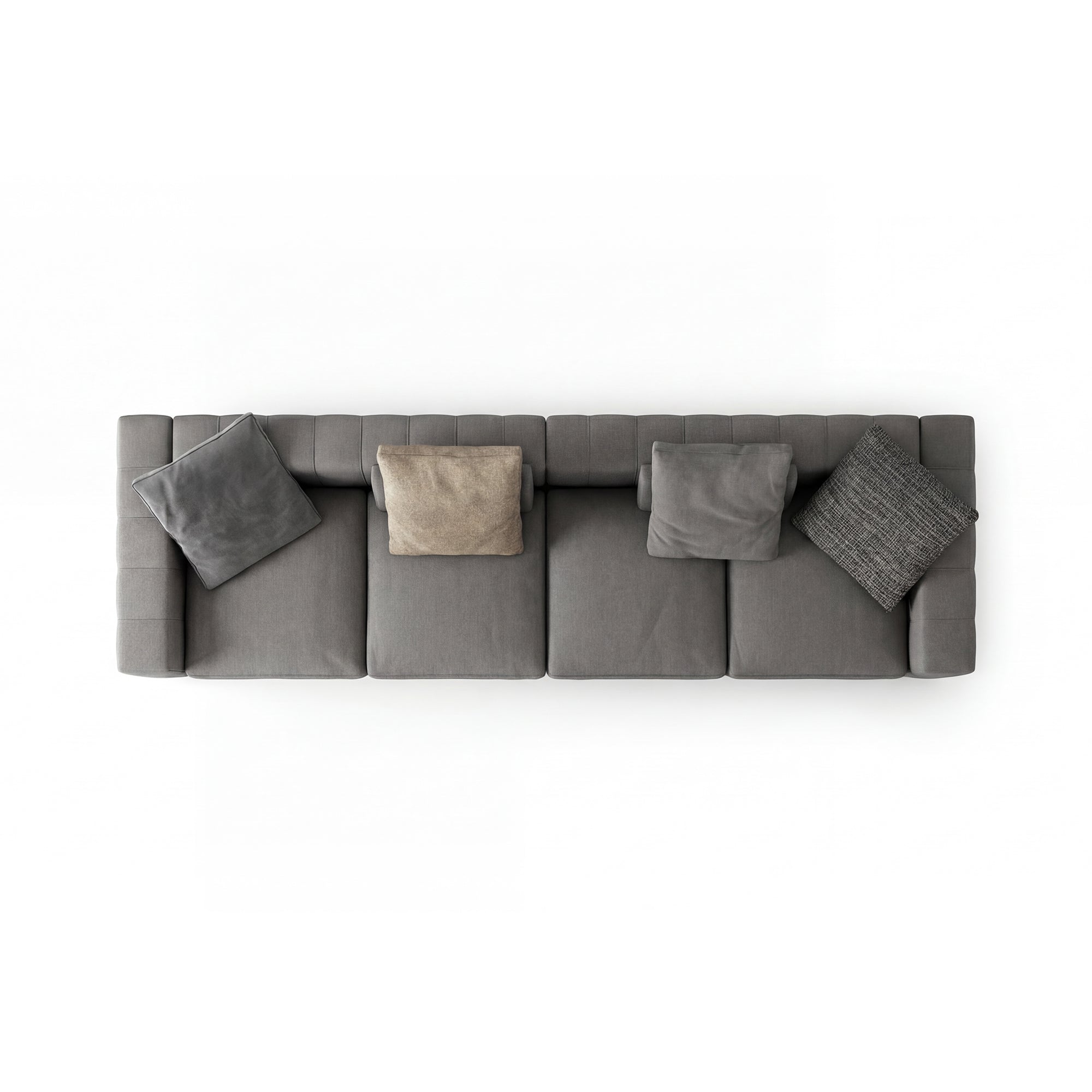
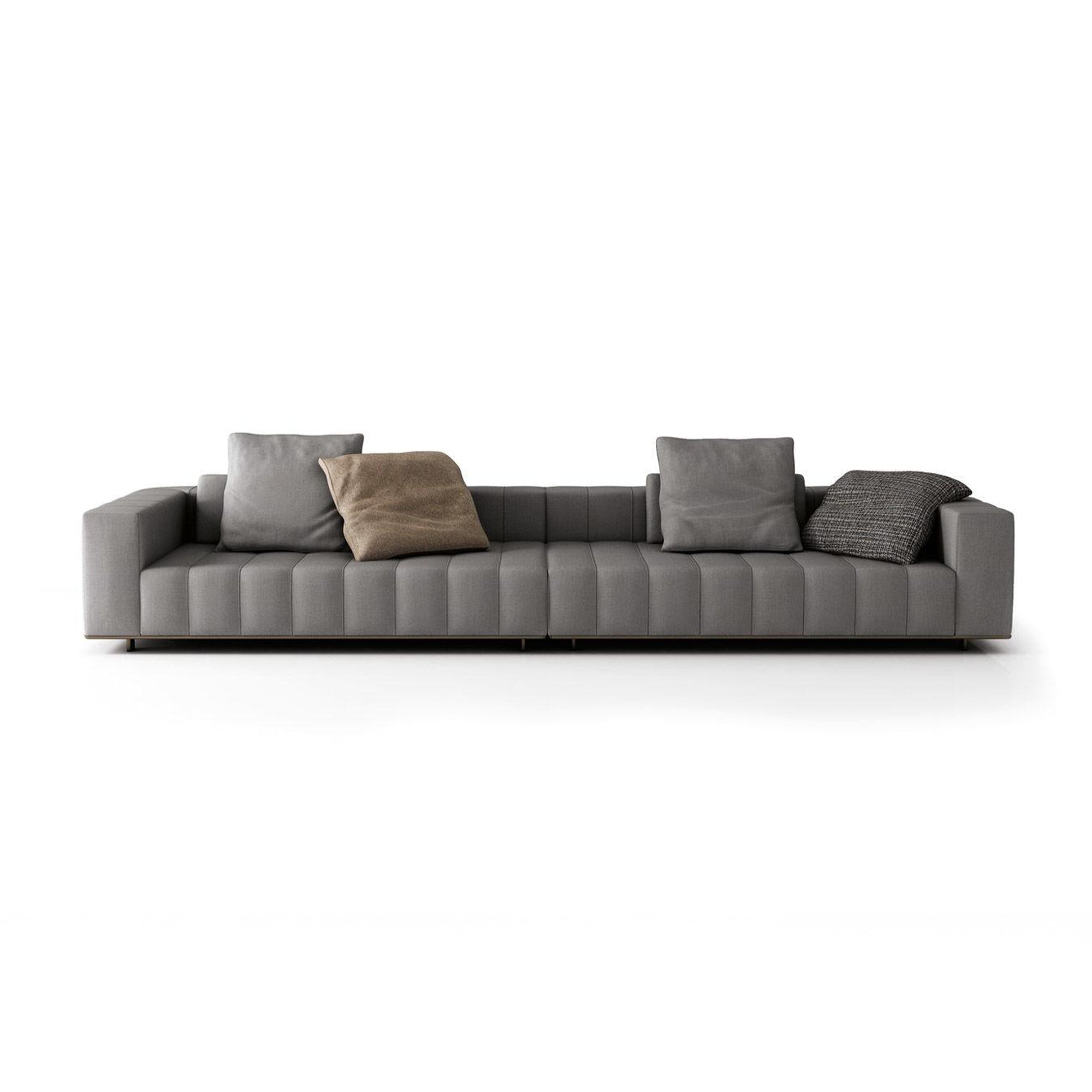
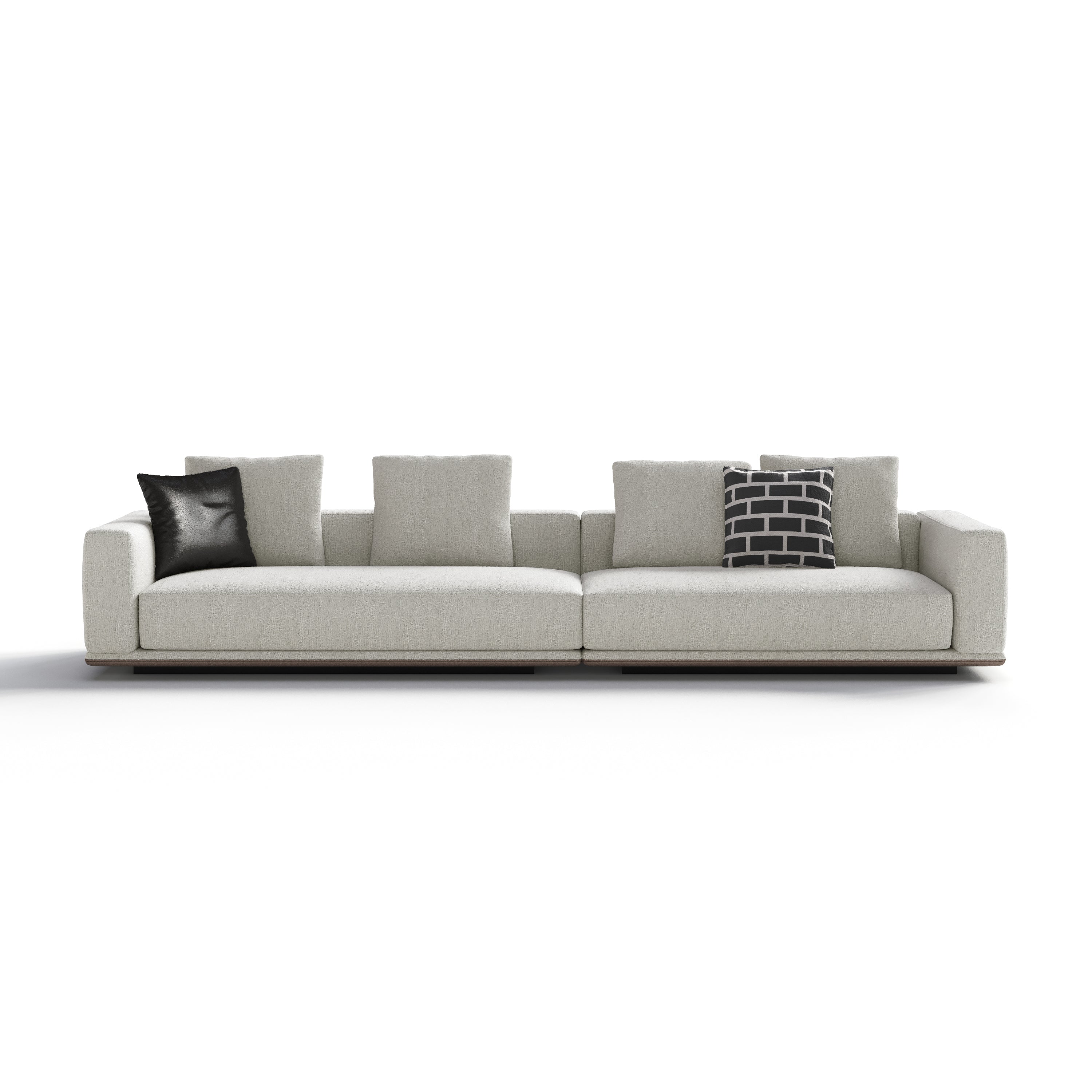
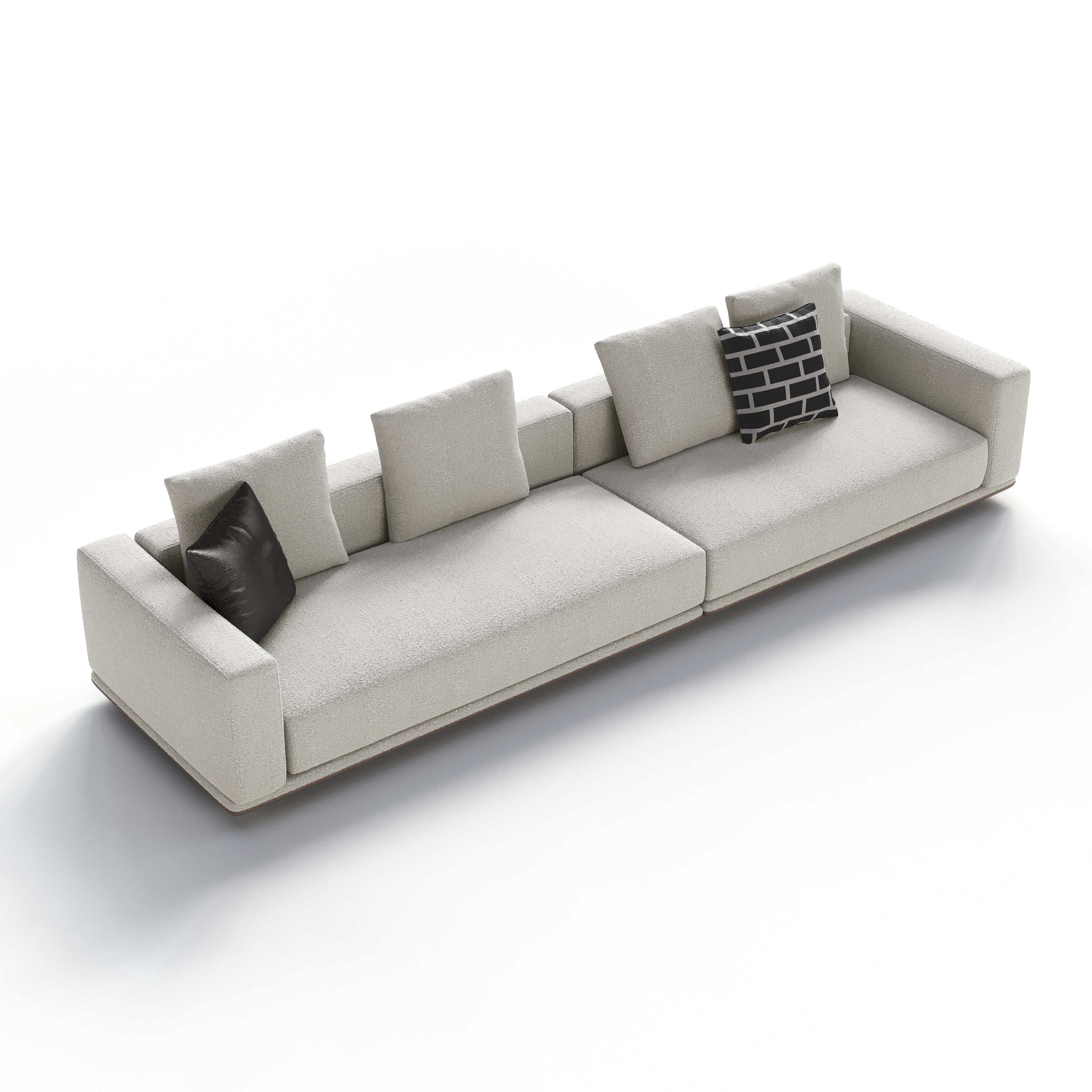
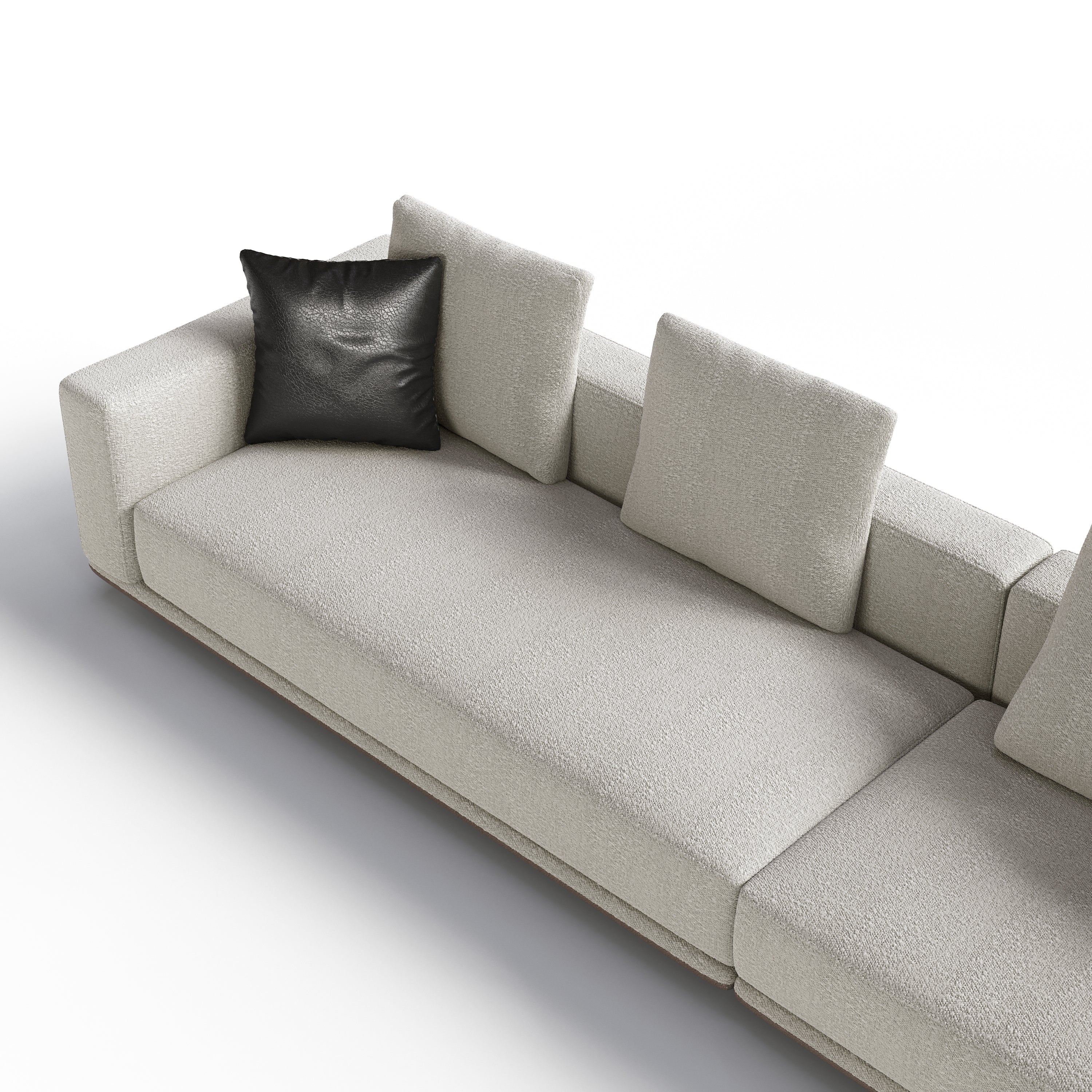
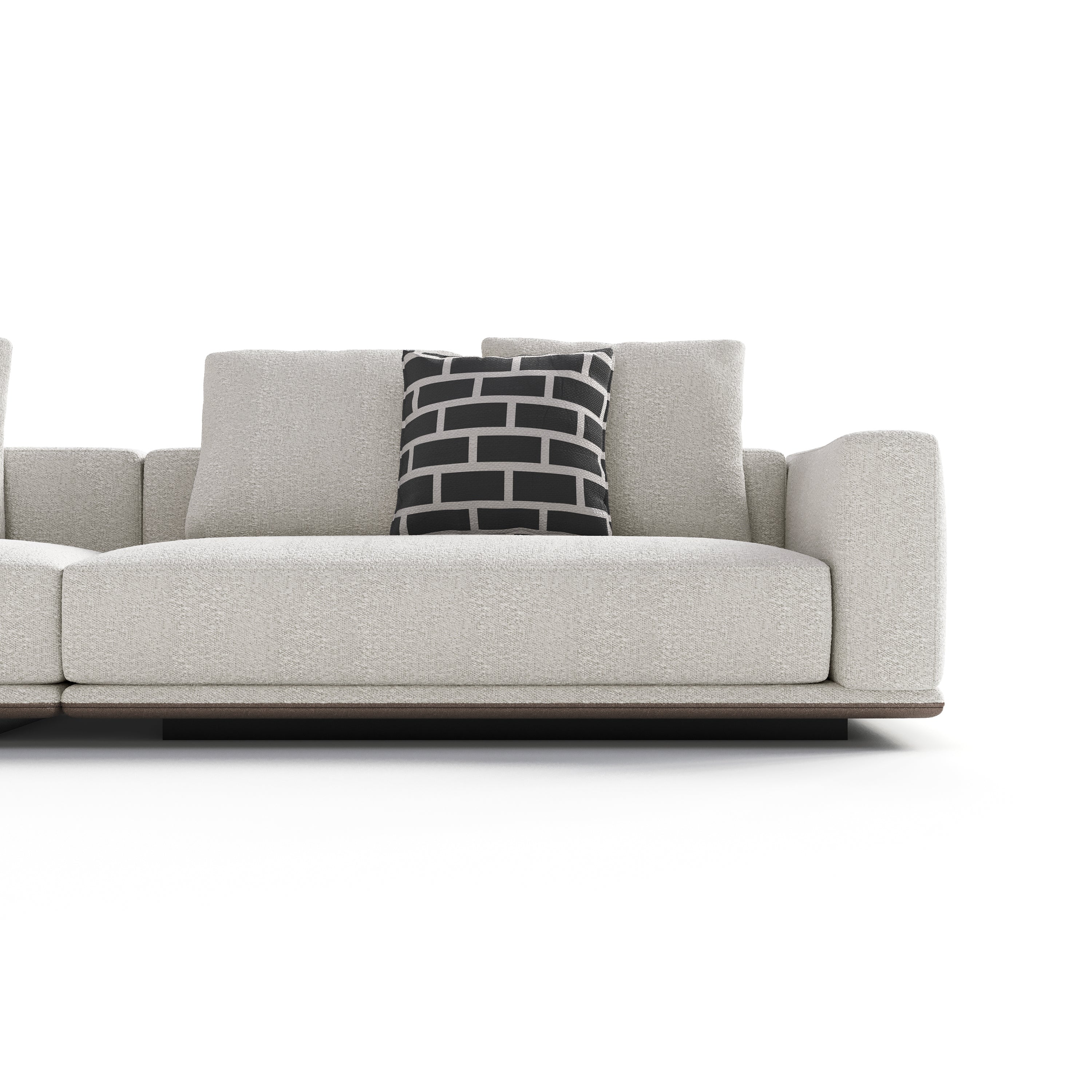
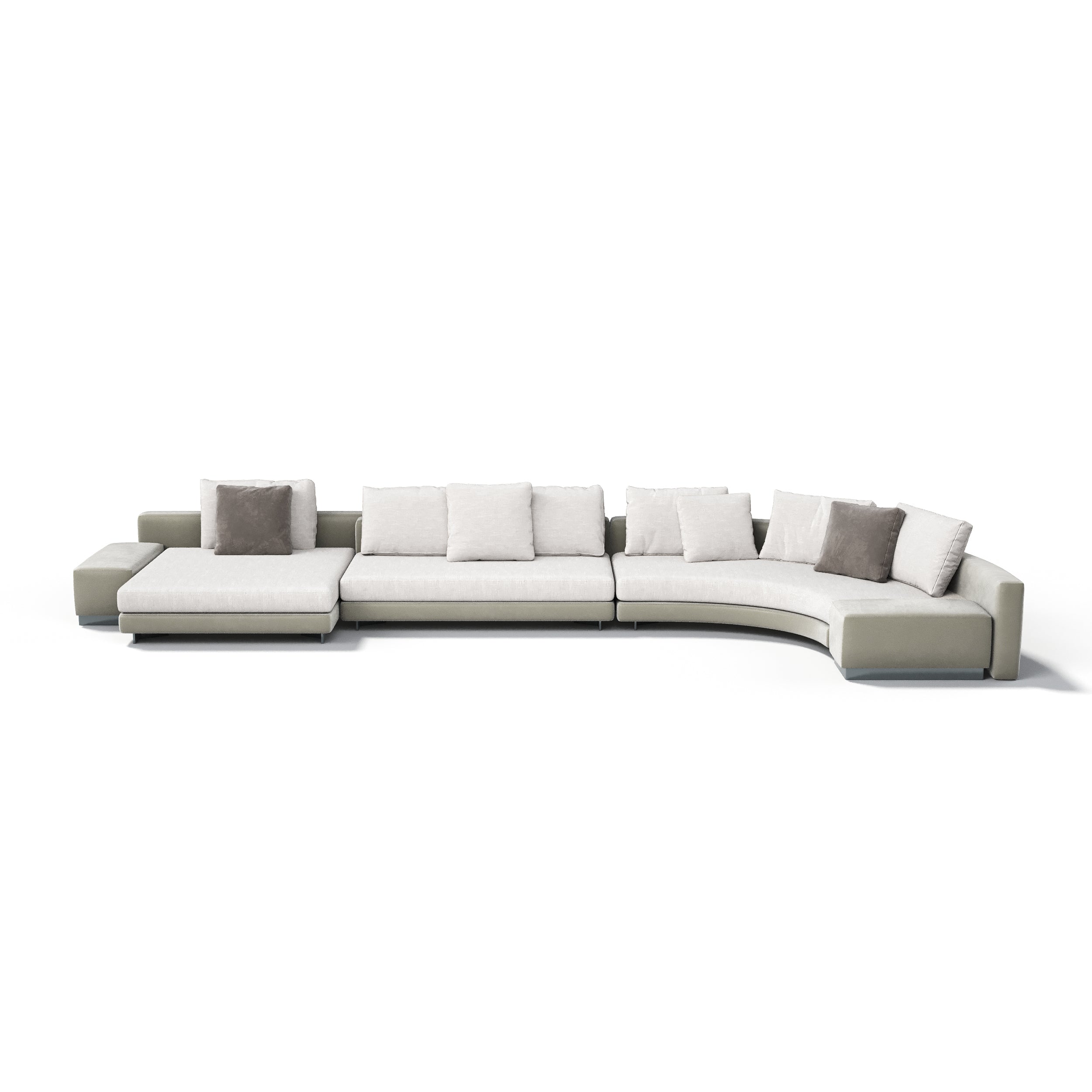
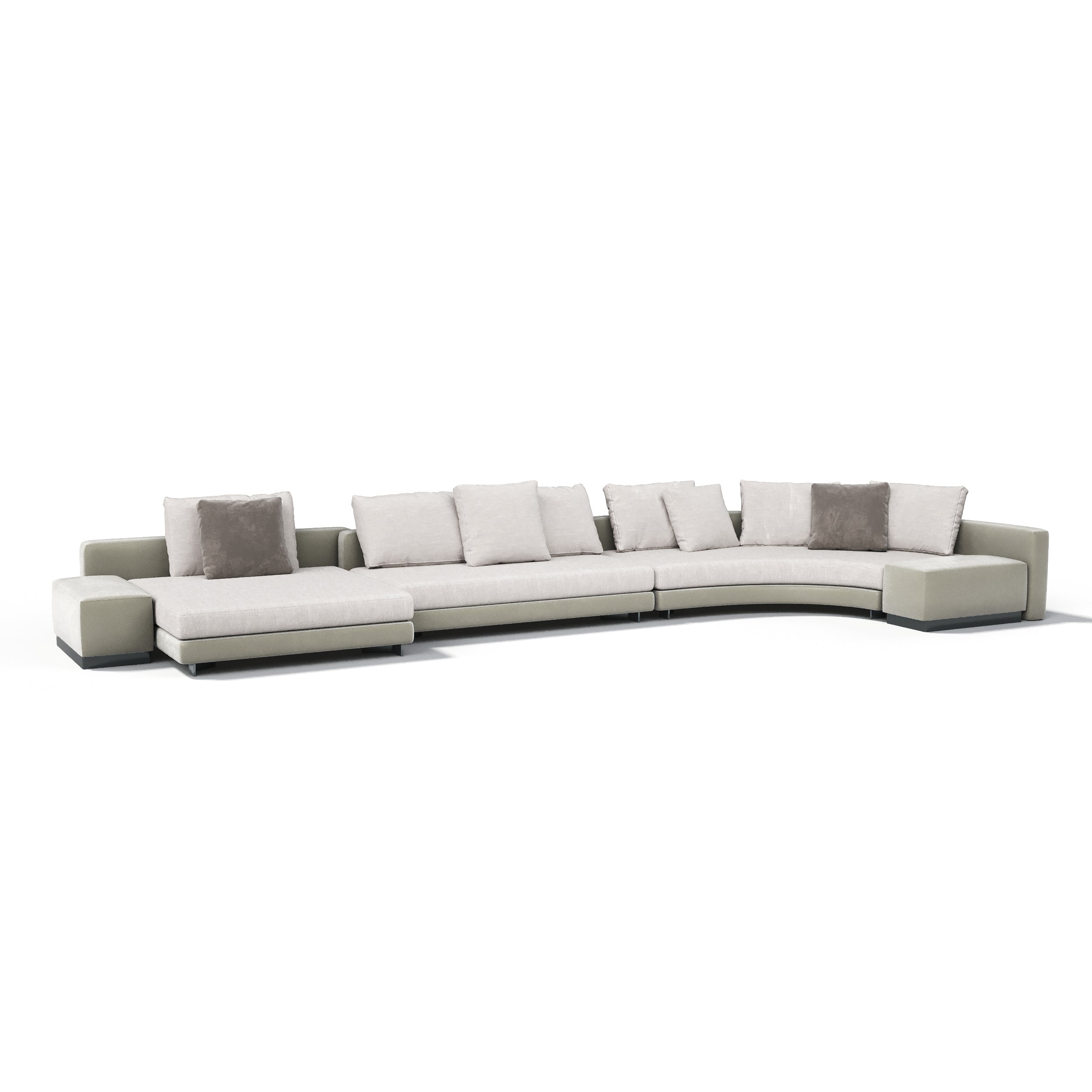
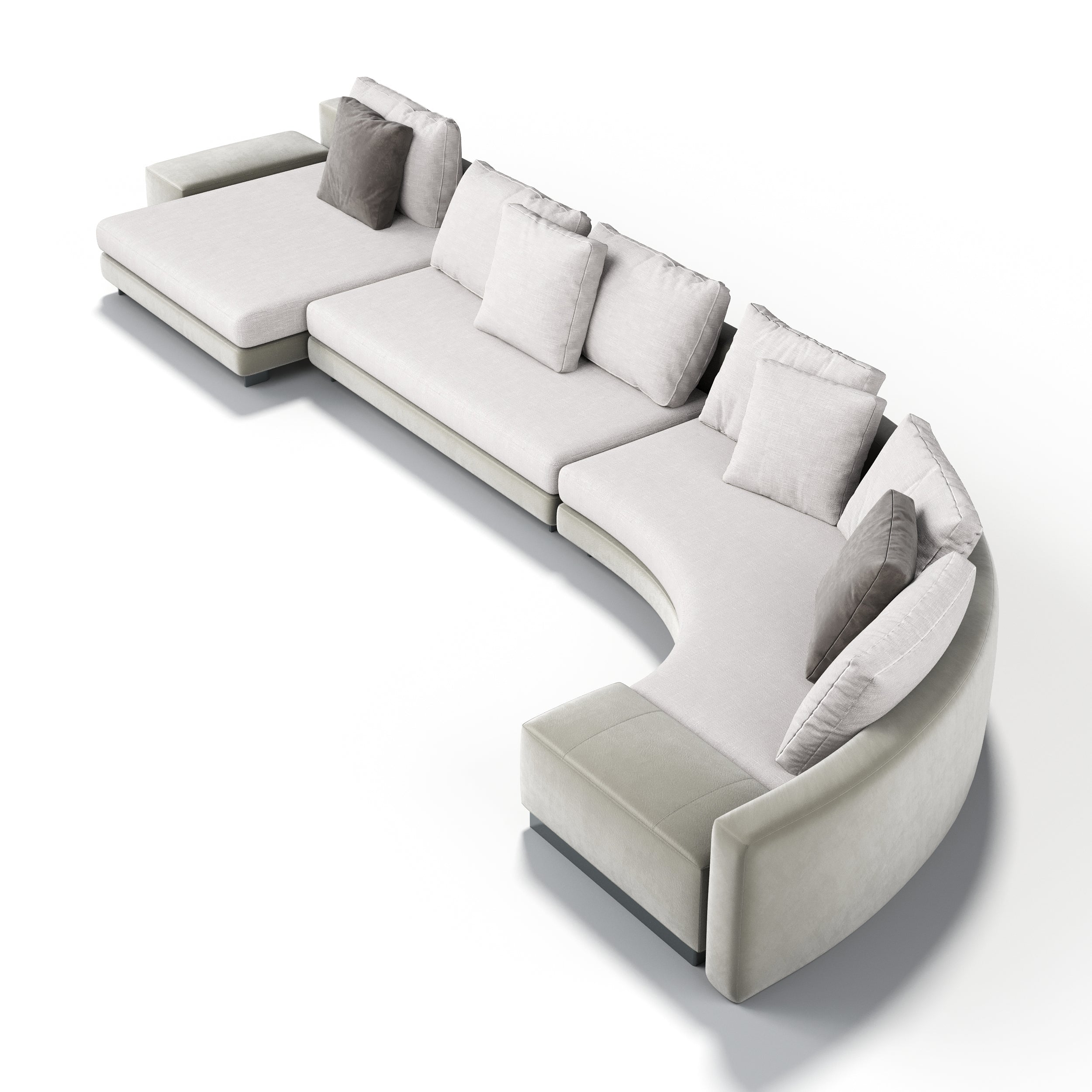
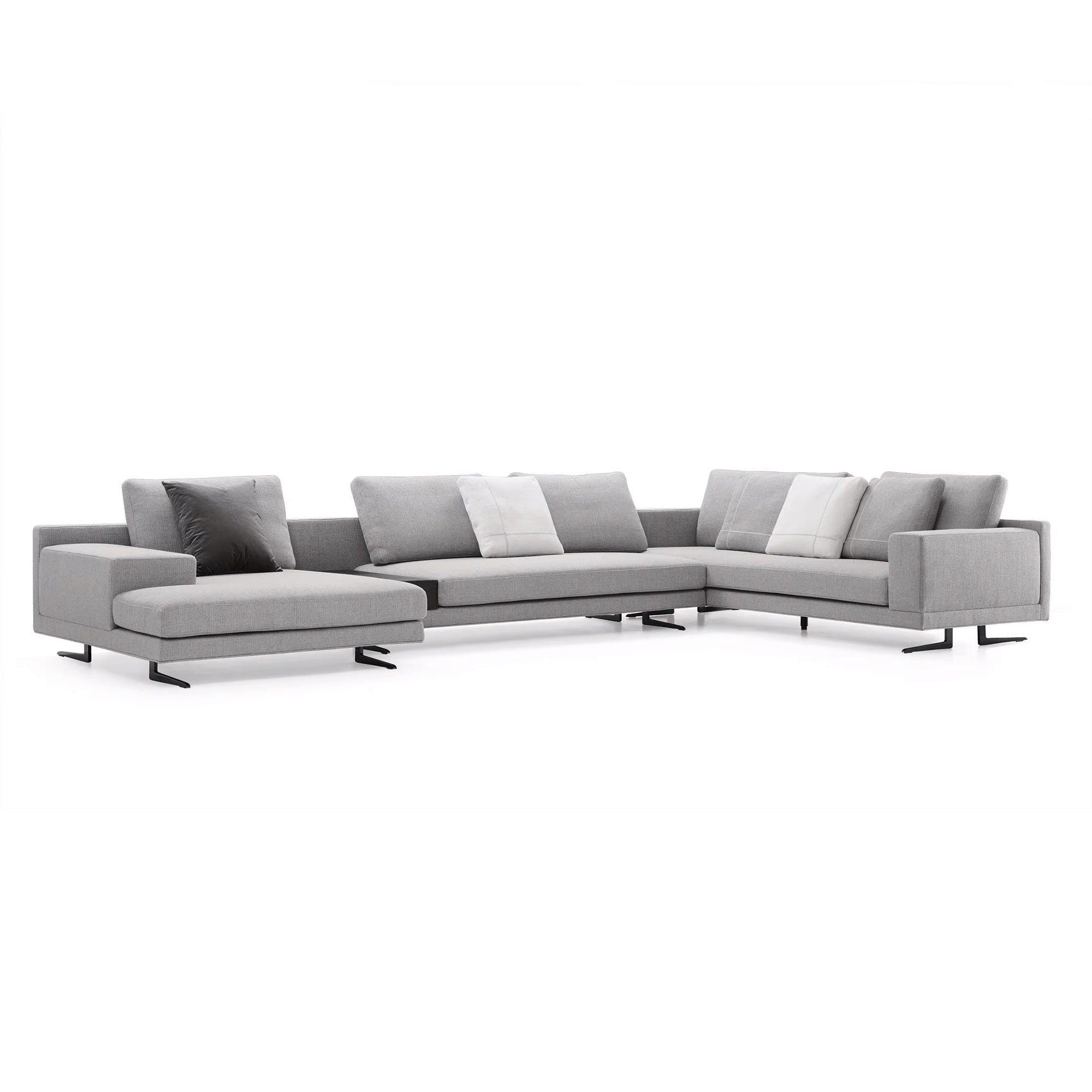
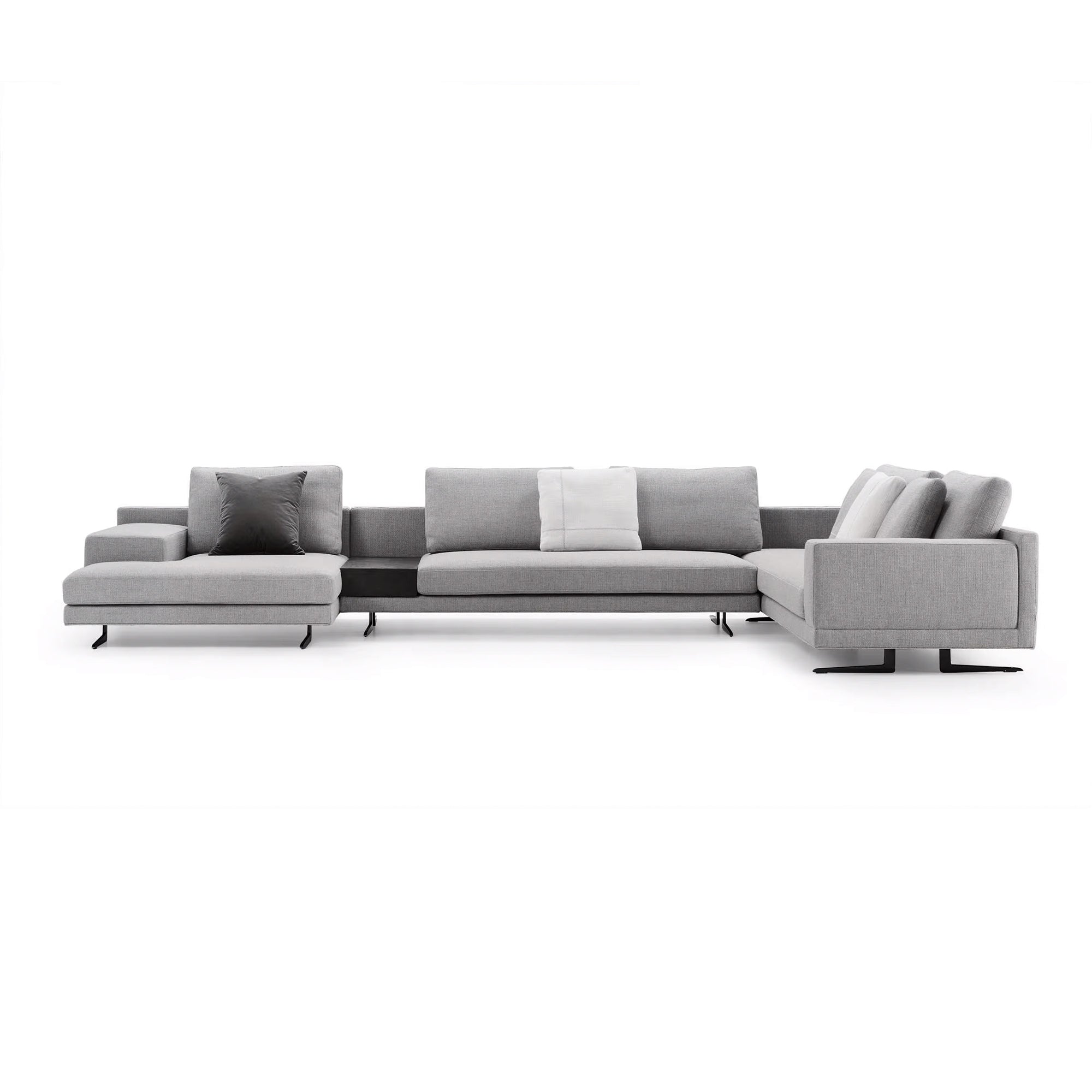
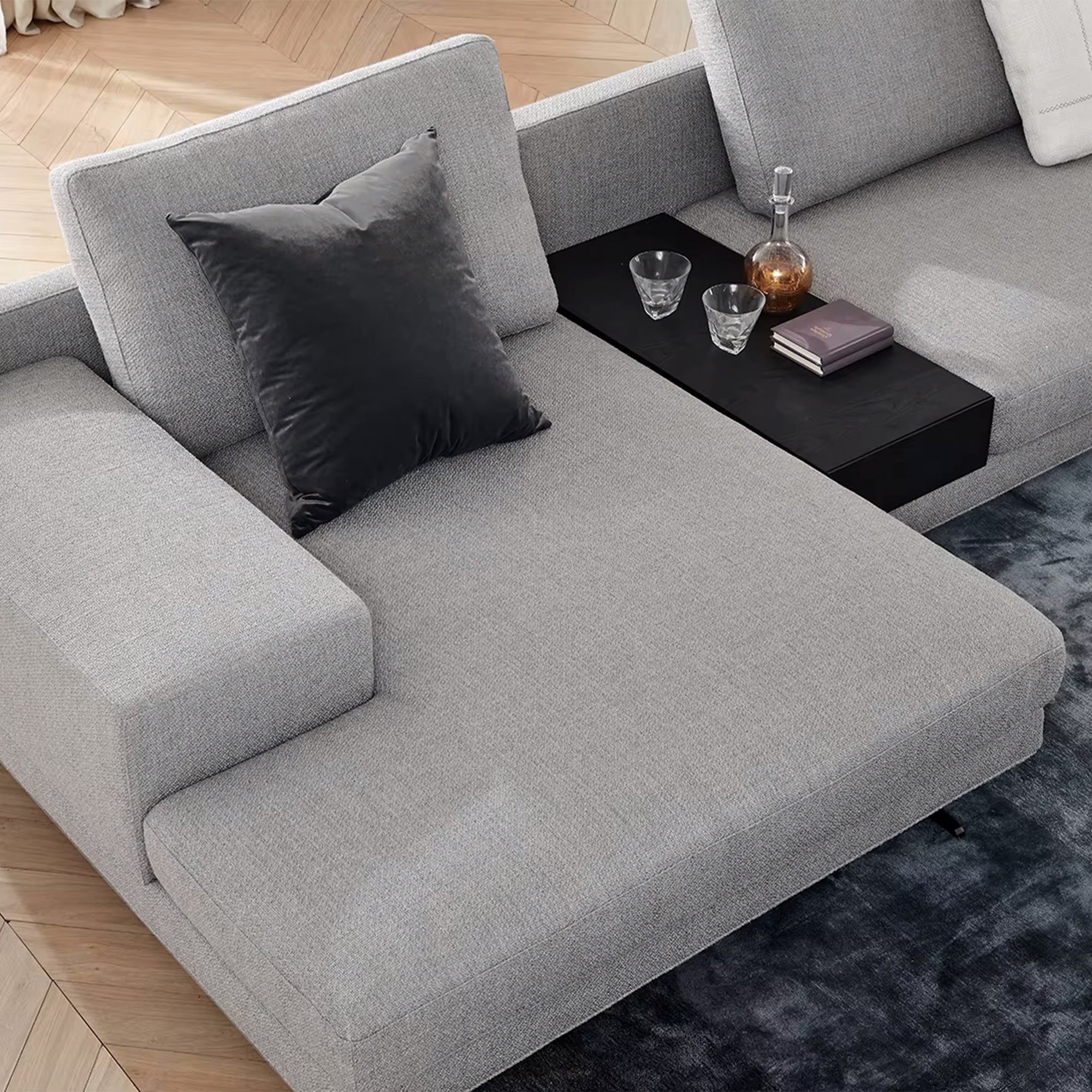
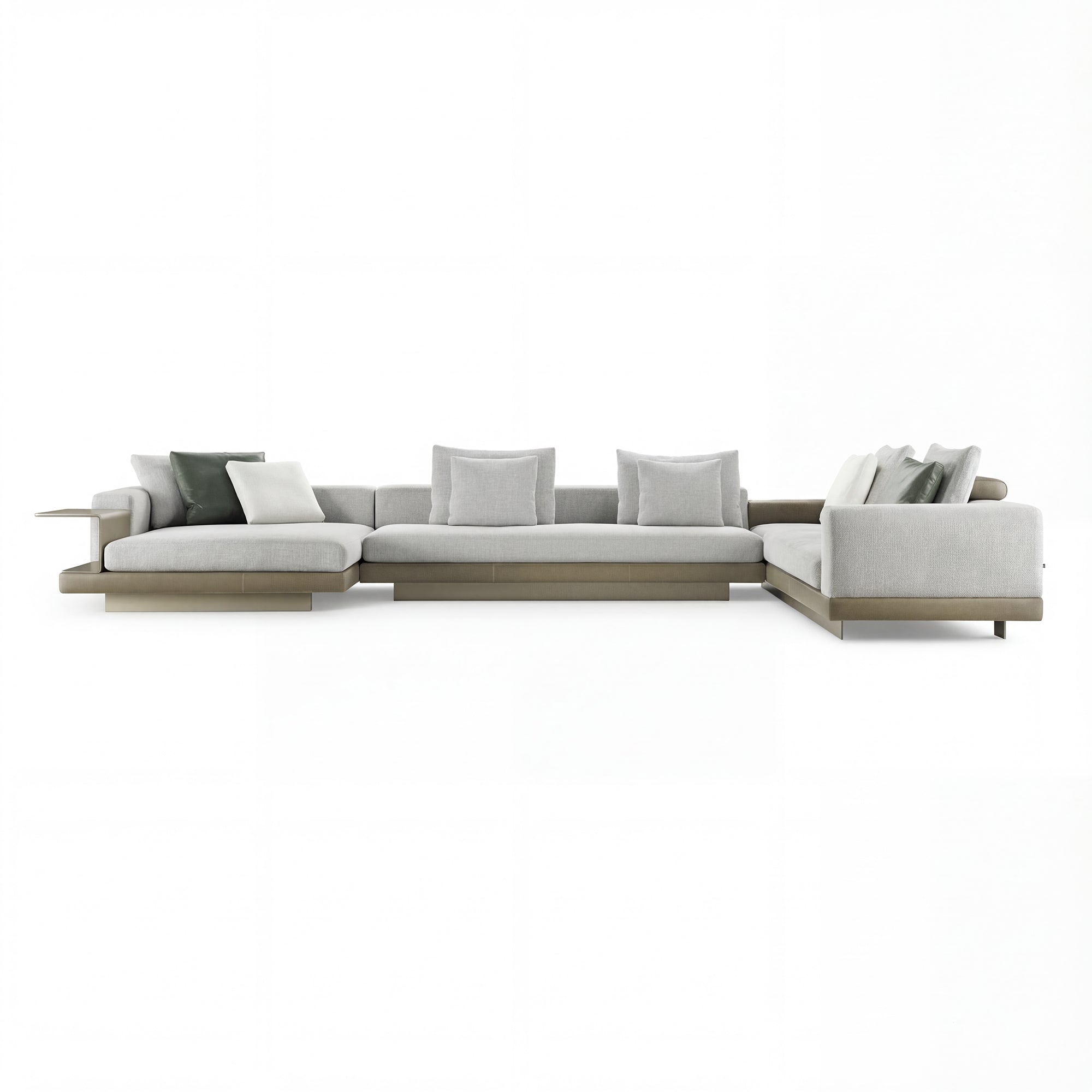
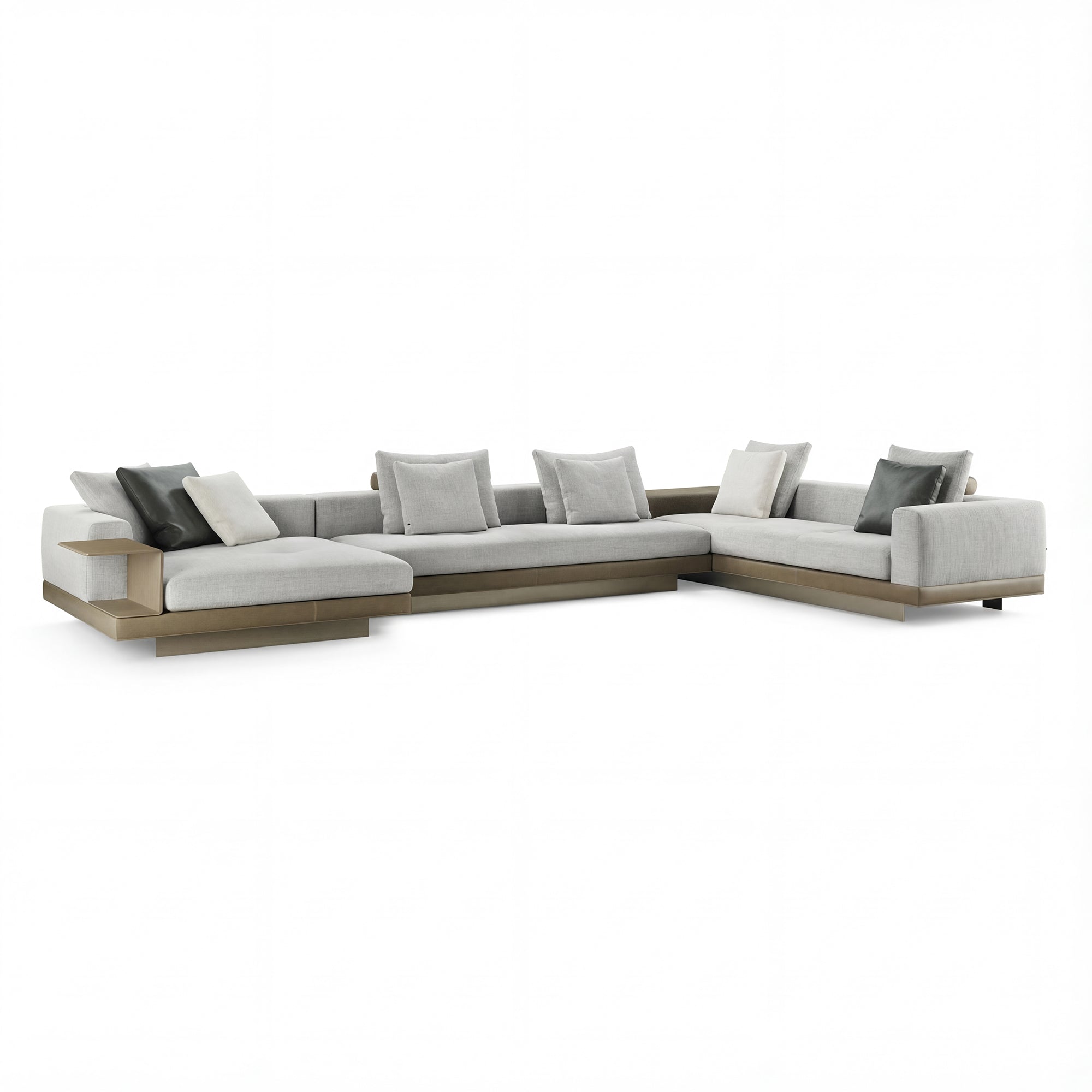
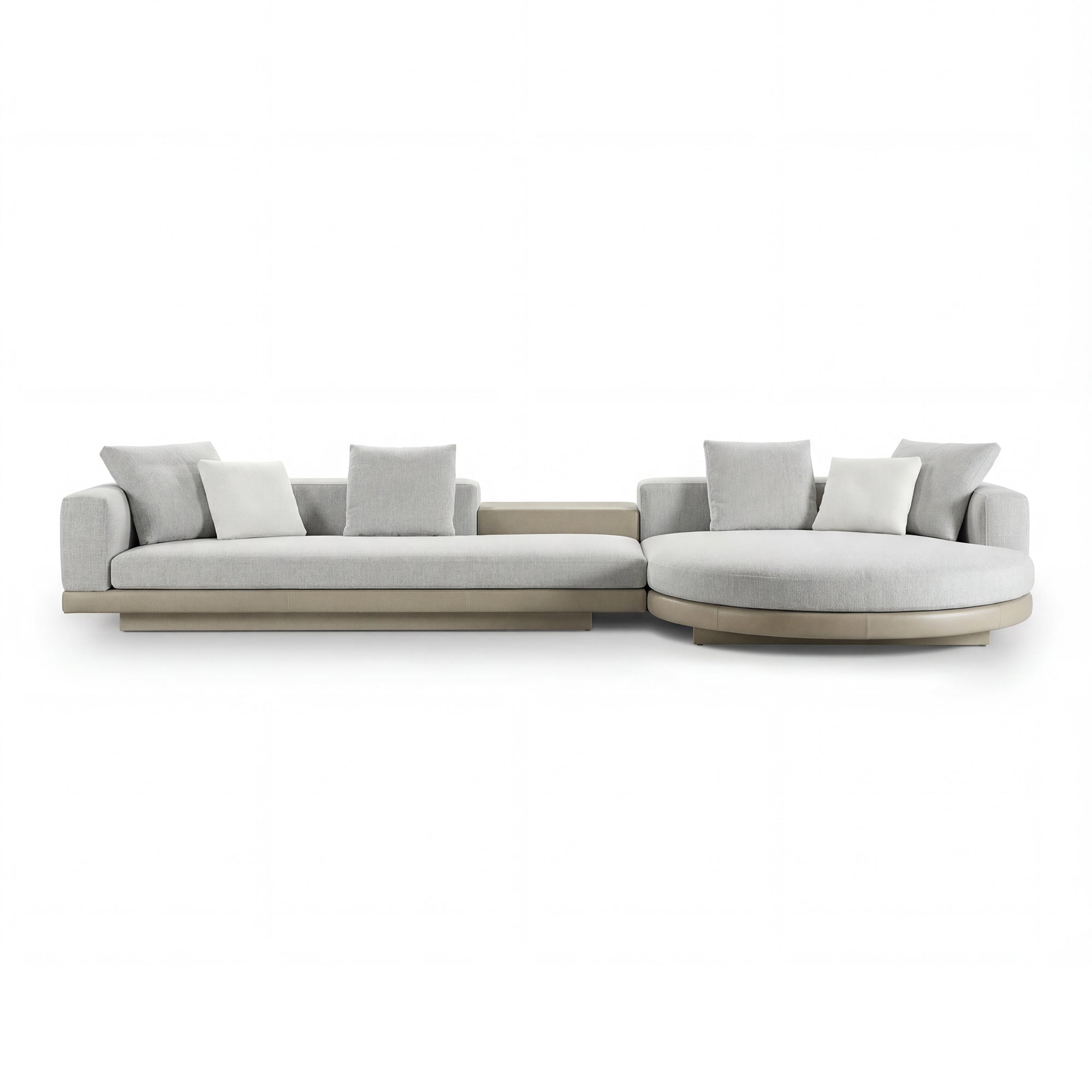
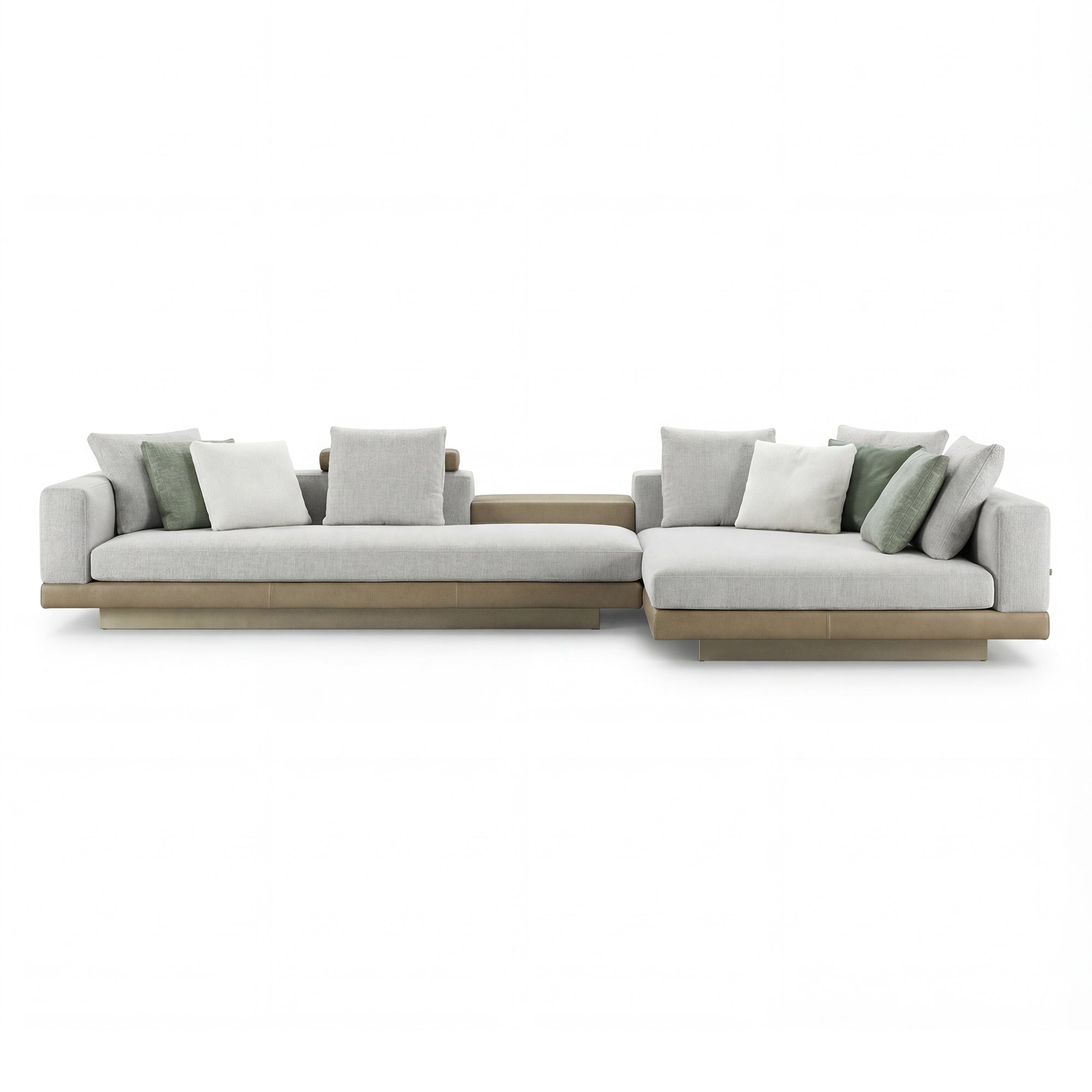
Browse our 2026 Italian Furniture Collections!
Featured collection


Frequently Asked Questions
How do I know if furniture is well constructed?
Look for published frame materials, reinforced joints, cushion specifications, and quality control processes. Brands that document these details tend to be more consistent.
Is made-to-order furniture better?
Made-to-order furniture can offer better finish consistency and configuration control, provided quality control standards are clearly defined.
What matters more: design or materials?
Design and materials are inseparable. Strong design relies on appropriate materials and construction methods to perform as intended over time.
Is Designito furniture suitable for commercial use?
Designito furniture is suitable for residential and light commercial environments. Larger projects are handled through our Commercial & Hospitality program.
Are Italian furniture replicas worth buying?
Yes, if you choose a reputable brand, such as Designito. Replicas can provide the premium look, feel, and comfort of Italian furniture without the designer price tag, especially when made with authentic materials like full-aniline leather or high-end fabric blends.
What fabrics are used in high-end Italian furniture?
Luxury Italian designs typically use:
- Wool, cotton, or blended natural fibers for a matte, textured finish
- Bouclé for sculptural, cloud-like textures
- Velvet for rich, plush accents
- Performance fabrics with high durability (40,000+ Martindale rubs)
Can I customize my order?
Yes. Many of our Italian furniture replicas can be customized, including fabric, color, and cushion options. Availability may vary, so we recommend contacting us first to confirm your choices.
Do you offer fabric samples?
Absolutely! We provide fabric samples so you can see and feel the material before ordering. Because they can sell out quickly, it’s best to reach out to us to check current availability.
How do I choose the right sofa or chair?
Consider:
- Size of your space
- Intended use (daily family use vs occasional seating)
- Cushion firmness and comfort preferences
- Fabric or leather type
- Style consistency with your home interior
How should I care for my Italian furniture piece?
Leather: Wipe with a soft, dry cloth; use conditioner for aniline or semi-aniline leather
Fabric: Vacuum regularly, spot clean with mild detergent, avoid direct sunlight to prevent fading
Rotate cushions to maintain shape